
Every Nigerian founder who has ever tried to rank on Google has, at some point, opened their browser, typed “best SEO tools,” and come back with the same ten names. Semrush. Ahrefs. Moz. Search Console. Repeat. The lists are everywhere, and they are almost identical.
That is the problem we are solving here.
There is an entire layer of SEO tools that the big roundups ignore, not because they are inferior, but because they are not sponsored, not as widely marketed, and not the obvious choice for someone writing a listicle quickly. These tools, most of which we use ourselves at SEO Next Door, are the ones that actually move the needle on specific bottlenecks: a stalled content pipeline, a crawl budget issue, a competitor’s backlink profile that looks unbeatable, a local ranking that refuses to budge.
According to DataReportal, Nigeria had 107 million internet users as of January 2025. More search queries. More competition. More content going up every week. In that environment, using the same tools as everyone else and expecting a different result is not a strategy.
We have put together 30 tools, the ones we genuinely use across client work in Lagos, Abuja, and Port Harcourt. Some are free. Some cost money. All of them earn their place.
Want to Turn Organic Search Into Your #1 Revenue Channel?
Let’s Talk →Why Most Nigerian SMEs Get This Wrong
The Reddit thread that sparked part of our thinking for this article came from a cleaning business owner who had just finished building a website and was considering purchasing Semrush to start ranking. Smart instinct. Wrong sequence.
The most common mistake we see among Nigerian business owners is buying an expensive SEO tool before understanding what specific problem they are solving. A tool is not a strategy. It is an instrument. You can hand someone a scalpel and, without knowing where to cut, they will make a mess.
As one user put it in a popular Reddit thread on this topic:
“Tools are just tools. They’re helpful, but they won’t do all the work for you. You’ll still need to roll up your sleeves and get your hands dirty with the nitty-gritty of SEO.”
The cleanest framework we have found: identify your current SEO bottleneck first, then pick the tool that solves it. Not the other way around.
Nigerian SMEs typically fall into one of four buckets. They either have no data (so they do not know what is working), no content (so Google has nothing to rank), a technical problem on their website (so Google cannot properly read their pages), or weak authority (so even good content does not rank). Different tools solve different problems. Get clear on which bucket you are in before you open your wallet.
The 30 Best Underrated SEO Tools in 2026
We have grouped these tools by what they actually do, not by price. Within each category, free tools come first.
Free SEO Tools Worth Using Seriously
1. Google Search Console
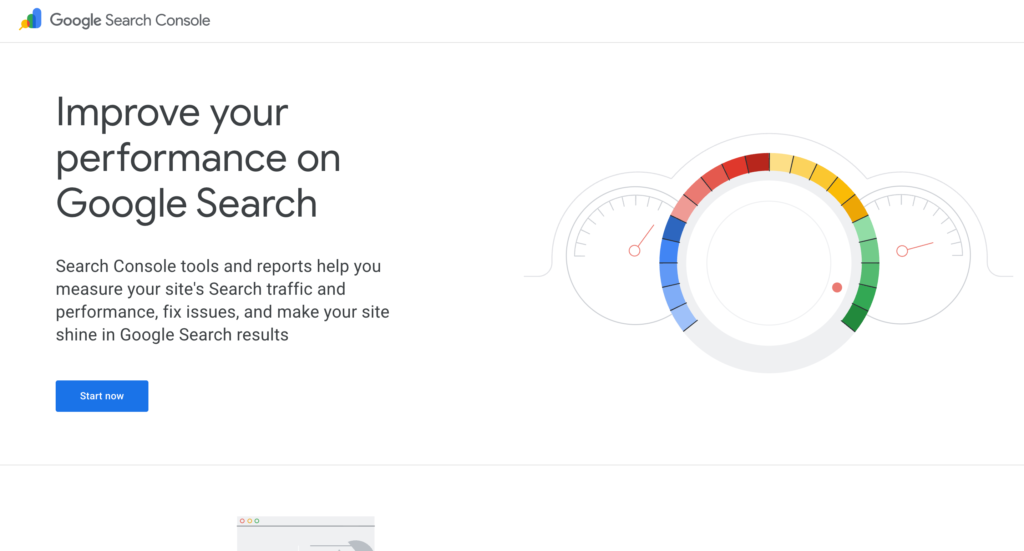
This one sits in the “free and criminally underused” column. Most Nigerian business owners either have not set it up or check it once a month and ignore what it says.
Search Console shows you exactly which queries are bringing people to your site, which pages are indexed, and where crawl errors are killing your visibility. It is first-party data straight from Google. No third-party tool can replicate this accuracy. If you do SEO without it, you are working blind.
The hidden power: the “Search results” report will show you pages with high impressions but low click-through rates. Those pages have ranking potential you have not captured yet. Fixing their title tags and meta descriptions is often the fastest wins we get on client sites.
Cost: Free Best for: All websites, no exceptions Get it: search.google.com/search-console
2. Google Analytics 4
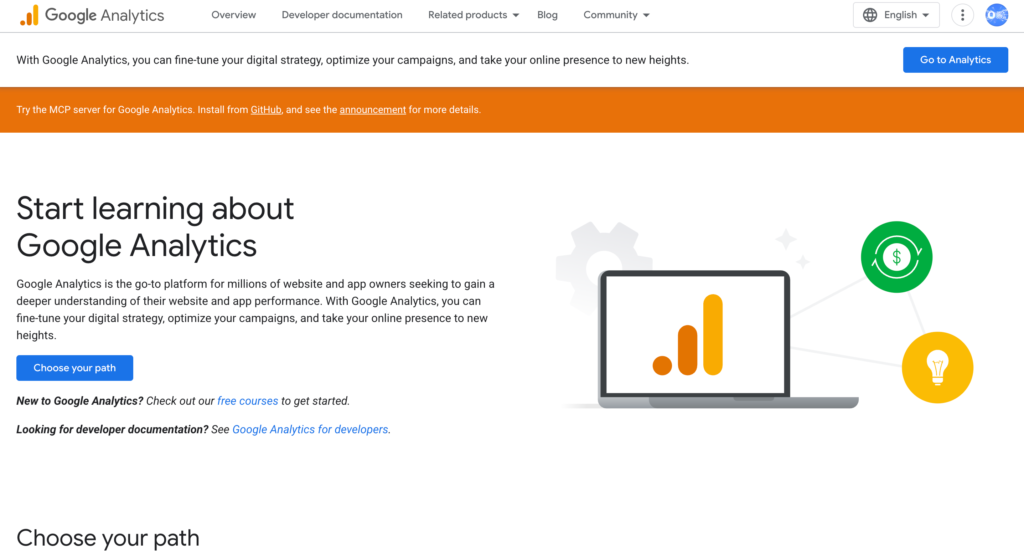
GA4 is not an SEO tool in the traditional sense, but it is essential for understanding whether your SEO is generating revenue, not just traffic. That distinction matters more in Nigeria than almost anywhere else because of how often founders conflate organic visits with actual business outcomes.
The dimension we track most: organic sessions that lead to goal completions. On most Nigerian business sites, this number is depressingly low, which usually means either the wrong keywords are being targeted or the landing pages are not converting. GA4 surfaces that problem clearly.
Cost: Free Best for: All websites
3. Bing Webmaster Tools
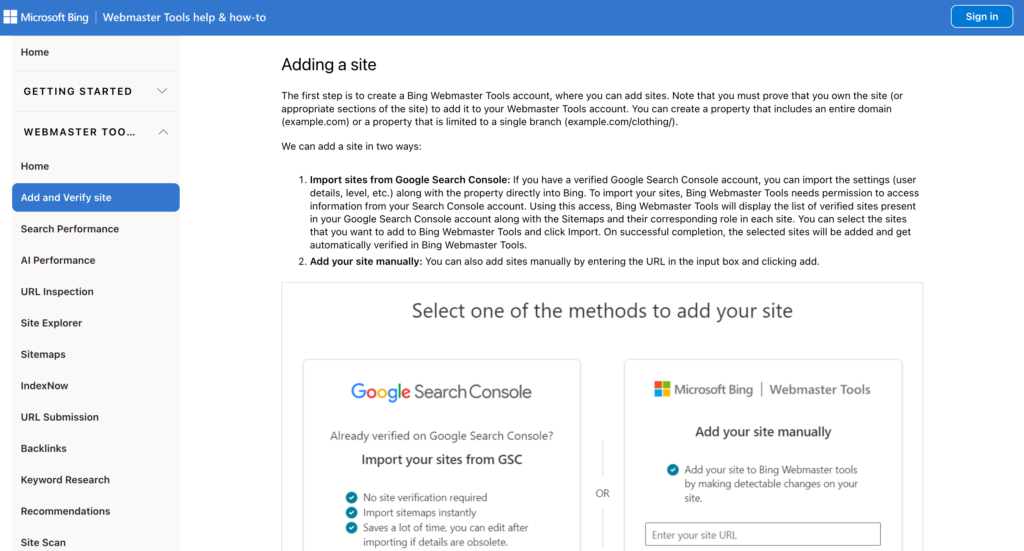
Nearly everyone ignores this. That is, itself, a reason to pay attention to it.
Bing Webmaster Tools is the Google Search Console equivalent for Bing, and since ChatGPT’s search functionality runs primarily on Bing, your Bing indexation directly affects whether your content appears in AI-generated answers. In 2026, with AI Overviews on Google and ChatGPT search becoming serious discovery tools, ignoring Bing means ignoring an increasingly important slice of how people find information.
The tool also surfaces technical errors that Search Console sometimes misses. We have found redirect chain issues and crawlability problems through Bing Webmaster that Google simply did not flag.
Cost: Free Best for: AI visibility, technical auditing
4. Google Trends
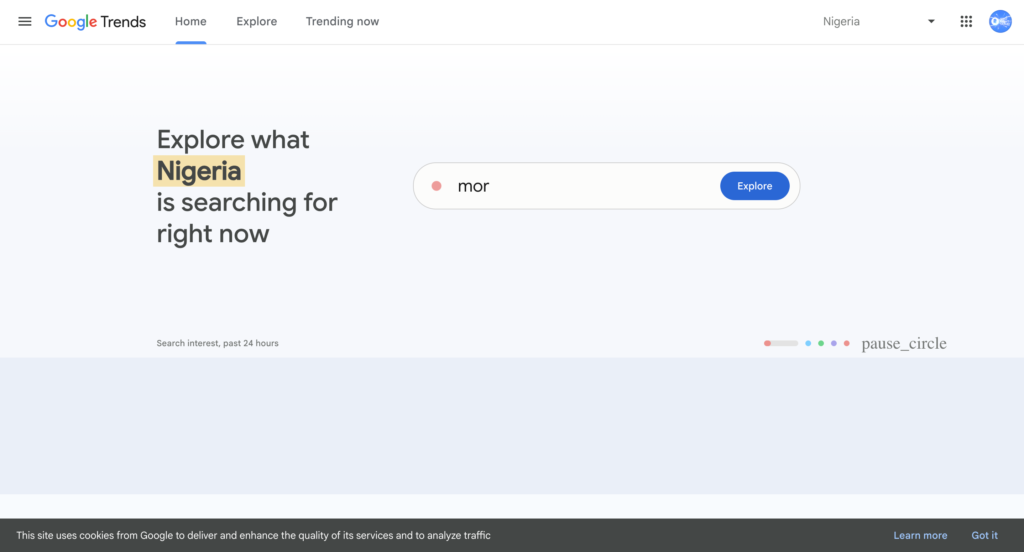
Underrated specifically for the way most people use it. Plugging in a keyword and checking its popularity is one use case. The smarter use: comparing two competing topics before you commit to writing about either of them, or spotting a seasonal spike in Lagos search behaviour before your competitors do.
For Nigerian SMEs in e-commerce, healthtech, or real estate, Google Trends has helped us time content releases around rising demand rather than publishing into flat or declining interest.
Cost: Free Best for: Content timing, topic validation
5. Ahrefs Webmaster Tools (Free Tier)
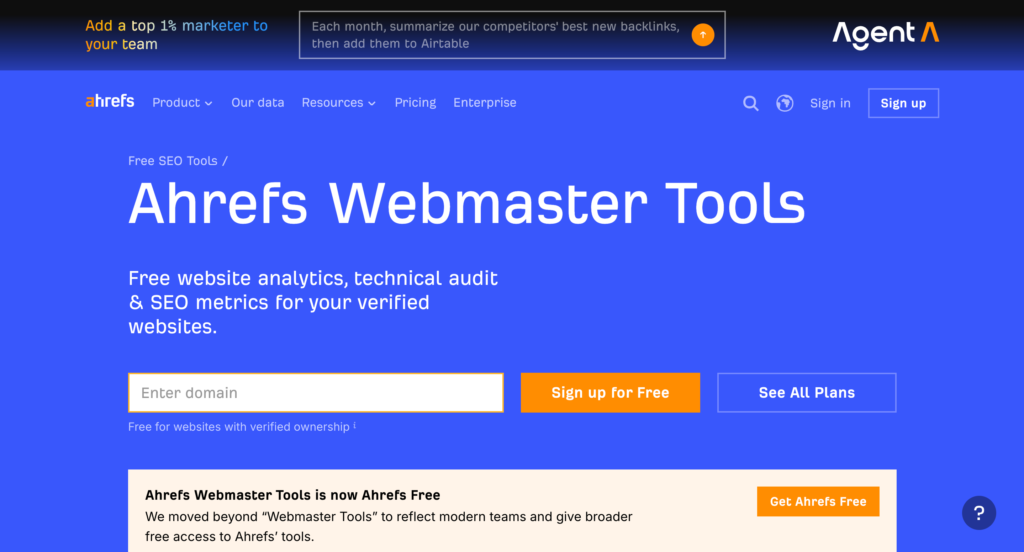
Most people think Ahrefs is paid-only. It is not. The free Ahrefs Webmaster Tools tier connects to your site and runs an audit identifying 170+ potential SEO issues. That includes broken internal links, pages with missing meta descriptions, hreflang errors, and low word count pages that are dragging down your average content quality.
For a business owner who has never done a formal site audit, this free version alone can surface months of actionable work.
Cost: Free (with an Ahrefs account) Best for: Site health audits
6. AlsoAsked
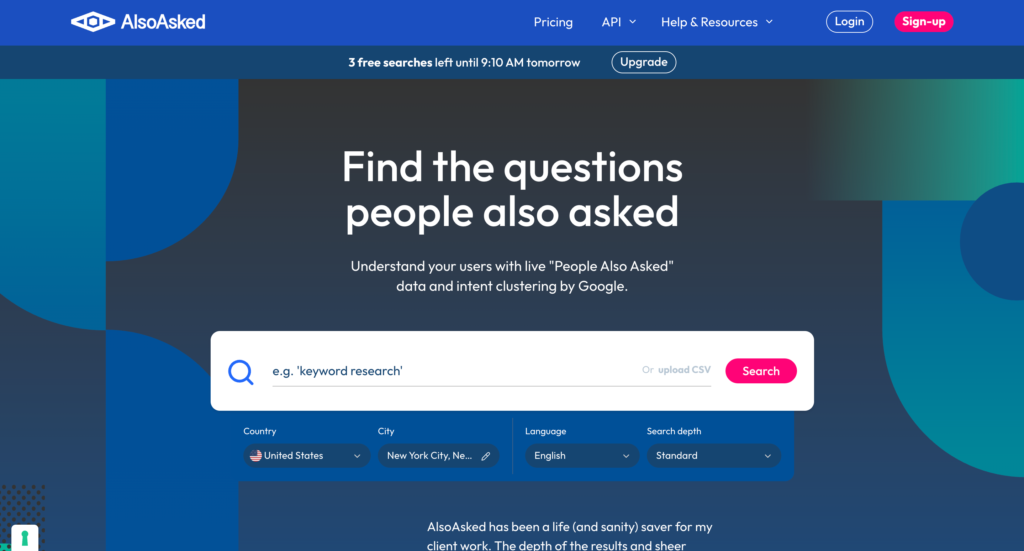
This is one of the most useful free tools in content research that almost no one in the Nigerian digital space talks about. AlsoAsked pulls “People Also Ask” data from Google and maps it into a visual tree, showing you how queries branch and relate to each other.
For content planning, this is invaluable. When we were building out the content strategy for The Hospital Book, which droves 40K monthly organic visits, mapping related health queries helped us identify clusters of content that served real patient intent rather than just keyword volume.
Cost: Free (limited), paid plans from $15/month Best for: Content briefs, topic clusters, PAA targeting
7. AnswerThePublic
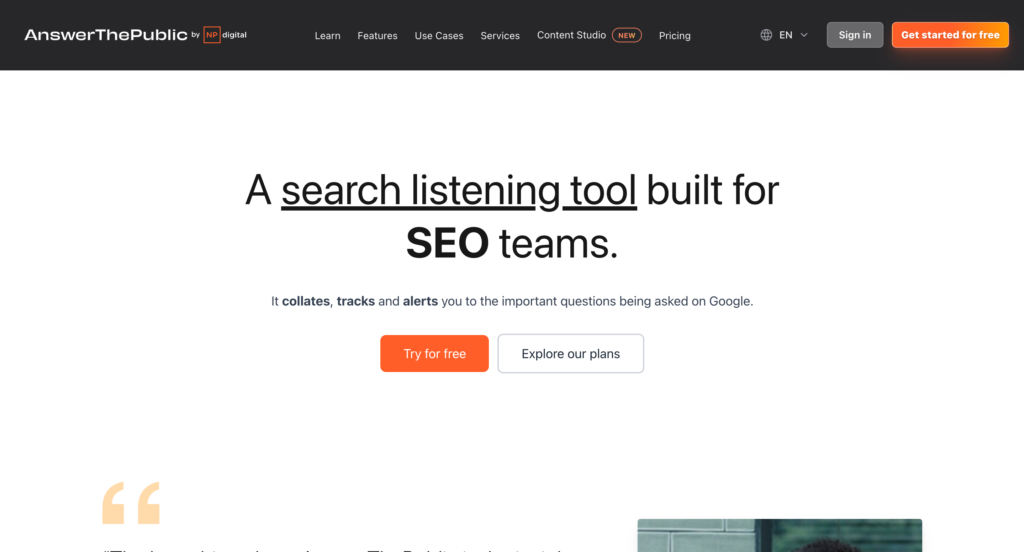
Similar in concept to AlsoAsked but with a different data presentation. AnswerThePublic generates question-based, preposition-based, and comparison-based queries around a seed keyword, visualized as a wheel. It is particularly good for identifying the long-tail questions that Nigerian consumers are actually asking on Google rather than the broad terms that tools like Semrush highlight.
The free version allows a limited number of daily searches. For most SMEs, that is plenty.
Cost: Free (limited); paid from $9/month Best for: Long-tail keyword discovery, content ideation
8. Keywords Everywhere
This Chrome extension adds keyword data, related searches, and “People Also Ask” results directly into your Google search results page. Every time you search something in Chrome, you see search volume, cost per click, and trend data inline.
We use it for quick competitive scans without opening a full tool. For Nigerian business owners who are not yet ready to pay for Ahrefs or Semrush, this is one of the most cost-efficient ways to collect keyword intelligence daily.
Cost: Credit-based, starts at approximately $10 for 100,000 credits Best for: Passive keyword research while browsing
9. Screaming Frog SEO Spider (Free Tier)
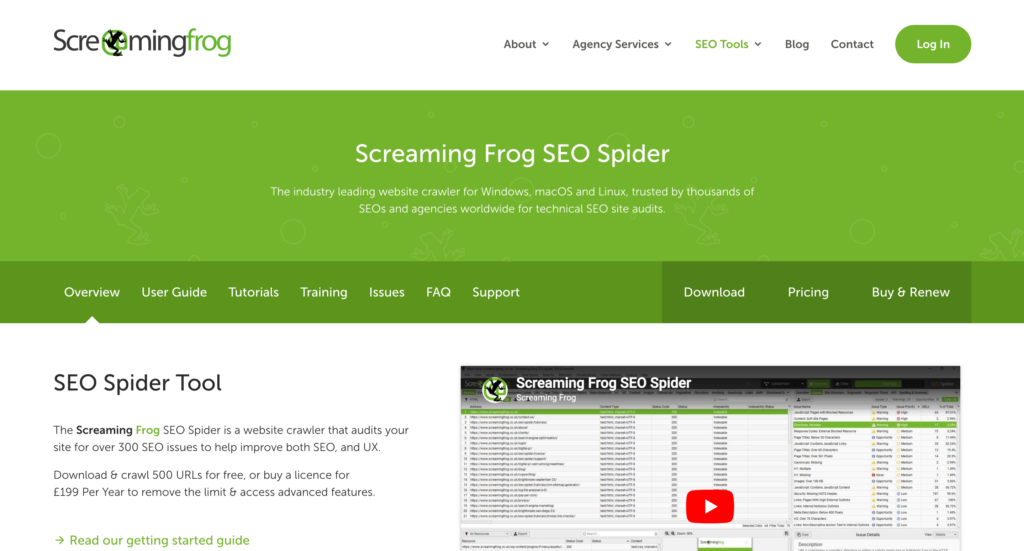
For websites under 500 pages, the free version of Screaming Frog crawls your entire site and produces a full technical audit, broken links, redirect chains, duplicate title tags, missing meta descriptions, missing H1s, page speed flags, and more. No tool we know of gives you this depth of technical insight for free.
As one practitioner in this Reddit discussion on SEO tools put it:
“I use Screaming Frog for website audit. It is a great tool and if your website is small, like if it has less than 500 pages, then it is free.”
For a Lagos-based service business whose website has fewer than a hundred pages, Screaming Frog free is genuinely enough to find and fix every major technical issue.
Cost: Free up to 500 URLs; paid version £259/year Best for: Technical SEO audits
10. Ubersuggest (Free Features)
Neil Patel’s Ubersuggest has a genuinely useful free tier that allows you to look up competitor domain traffic estimates and backlink counts without paying. The data is not as deep as Ahrefs, but for a Nigerian founder trying to understand why a competitor is outranking them on a handful of terms, it gives you enough to work with.
Cost: Free tier available; paid from $12/month Best for: Competitive research on a budget
Paid SEO Tools Worth Every Naira
11. Semrush
Semrush is the most complete all-in-one SEO platform on the market. Keyword research, competitive analysis, position tracking, site auditing, local SEO, and content marketing tools all in one dashboard. The interface is arguably more beginner-friendly than Ahrefs, which is why it gets recommended more often to business owners who are new to SEO.
For local SEO specifically, Semrush’s Listing Management feature handles citation building and Google Business Profile optimization, two things that directly affect whether your business appears in the map pack in Lagos or Abuja. The one practitioner in the Reddit thread who runs a mental health practice said something about local SEO that stuck with us:
“Start local with SEO. You can dominate it with elbow grease… Don’t chase the huge companies. I just focus on local SEO and it helped me to get to this point.”
That principle applies directly to Nigerian SMEs competing with larger brands in Lagos. You do not beat them on domain authority or ad spend. You beat them on relevance, consistency, and local signals.
Cost: Starts at $139.95/month Best for: All-in-one SEO management, local SEO Tip: Request a product demo when you sign up. The learning curve is steep, and a guided walkthrough saves weeks of confusion.
12. Ahrefs
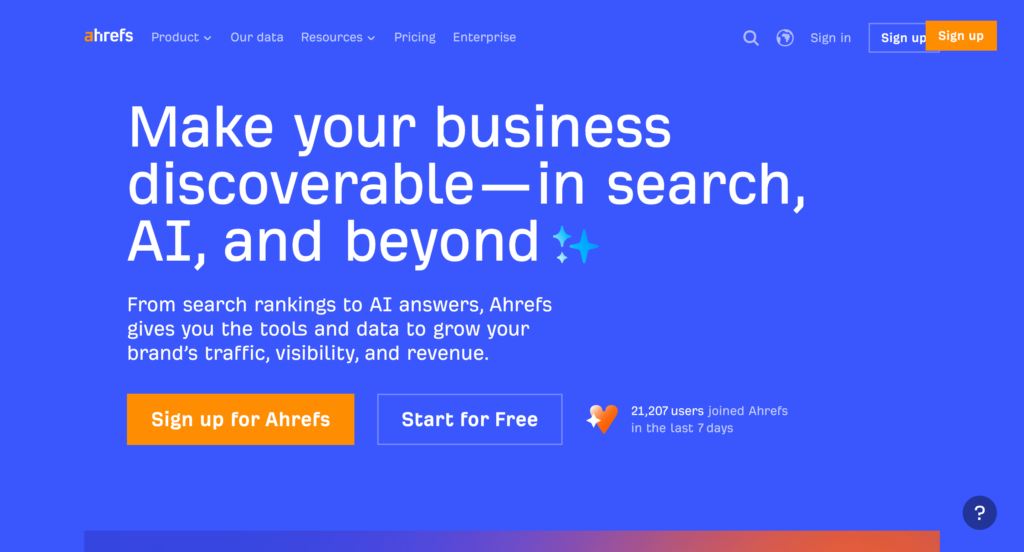
If there is a tool in any SEO stack that comes closest to being irreplaceable, it is Ahrefs. The backlink database is the most comprehensive in the industry, updated frequently, and the Site Explorer feature alone earns the subscription for any serious SEO work.
What it does particularly well: reverse engineering a competitor’s organic traffic strategy. You can see exactly which pages are driving their traffic, which keywords they rank for, and where their backlinks come from. For Nigerian brands trying to break into competitive verticals, this is the intelligence that makes every other effort more precise.
Cost: Starts at $129/month Best for: Backlink analysis, competitive intelligence, comprehensive keyword research
13. SE Ranking
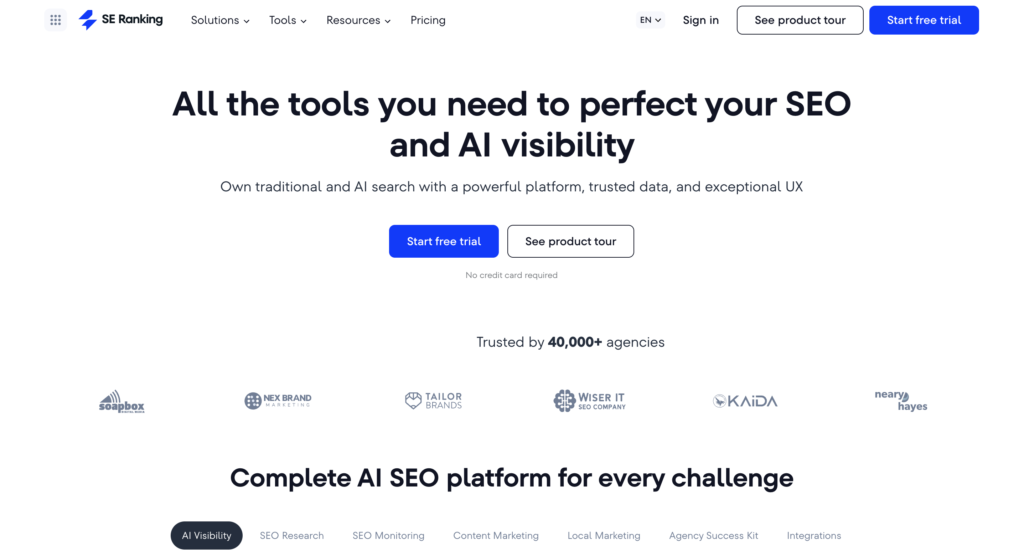
This is the tool we recommend most often to Nigerian startups and SMEs who want Semrush-level features without the Semrush price tag. SE Ranking covers keyword research, rank tracking, competitor analysis, site auditing, and content marketing at a starting price well below the industry leaders.
For Sidebrief, which grew organic traffic by 1,631%, the ability to track keyword positions granularly across specific Lagos and Abuja-targeted terms was central to understanding what was working. SE Ranking’s rank tracking at the local level is particularly strong for this use case.
Cost: Starts at $65/month Best for: Budget-conscious teams wanting comprehensive SEO data
14. Surfer SEO
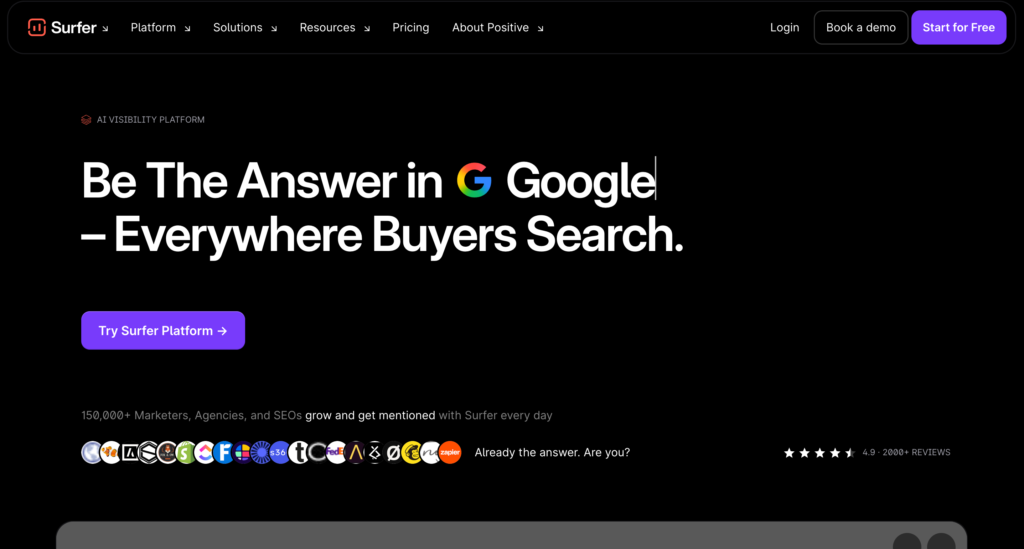
Surfer is a content optimization tool. You paste in your target keyword, and it analyzes the top-ranking pages for that term, then produces recommendations for your content: ideal word count, which semantically related terms to include, how many headings to use, and what questions to answer.
It does not replace good writing. What it does is dramatically reduce the number of times you publish a 1,500-word article and watch it rank on page three because you missed twenty related terms that every competing article covers. Think of it as a brief that tells you the technical floor your content needs to clear before writing quality determines the final ranking.
Cost: Starts at $99/month Best for: Content optimization, editorial SEO workflows
15. Clearscope
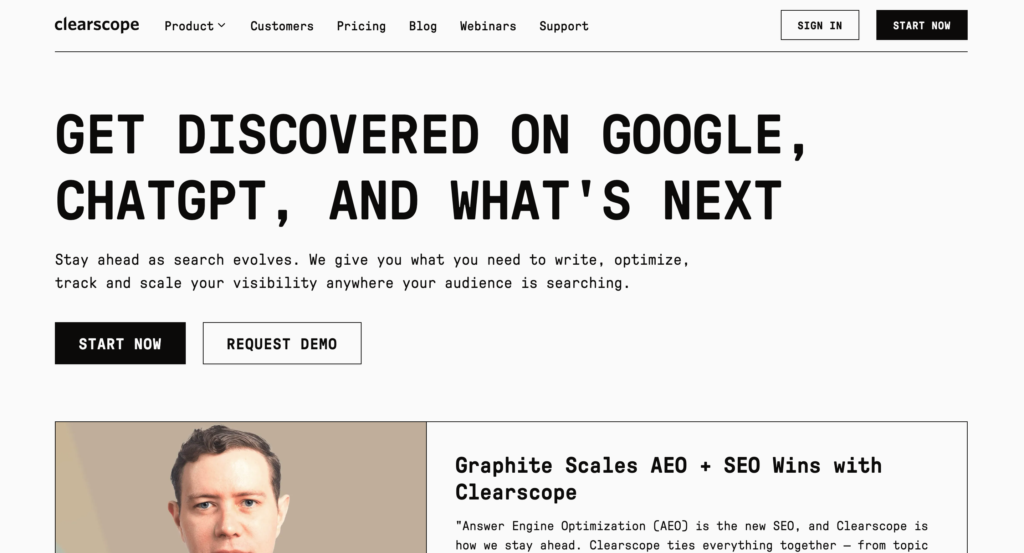
Similar to Surfer in function, but many content teams find the interface cleaner and the topic coverage recommendations more precise. Clearscope integrates directly with Google Docs, which means your writers can optimize in real time without switching platforms.
The distinction between Surfer and Clearscope comes down to workflow preferences. We use Surfer for briefing and Clearscope for final editing passes. Some teams pick one and stick to it. Both produce better-ranking content than writing without either.
Cost: Starts at $199/month Best for: Content quality teams, editorial operations at scale
16. NEURONwriter
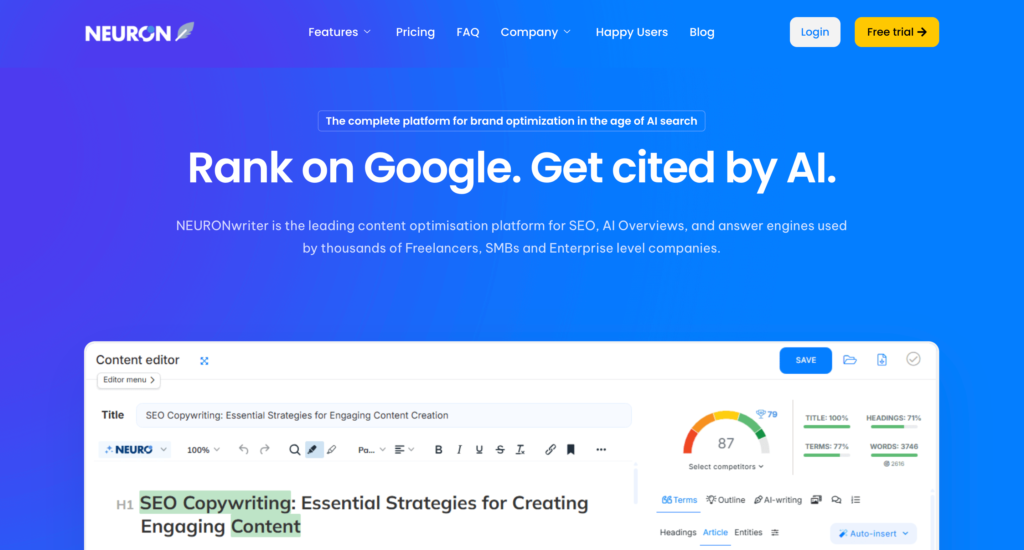
The honest answer to “what do you use when Surfer and Clearscope are too expensive?” is NEURONwriter. It uses NLP and semantic SEO analysis to guide your content writing, similar to Surfer, but the entry plan starts at around $19/month. For a Nigerian startup spending carefully, this is a significant difference.
In 2026, NEURONwriter added AEO features that help you structure content to appear in AI-generated answers. Given how rapidly AI Overviews are appearing in Nigerian search results for commercial queries, this matters.
Cost: Starts at ~$19/month Best for: Budget content optimization, AEO formatting
17. Screaming Frog (Paid)
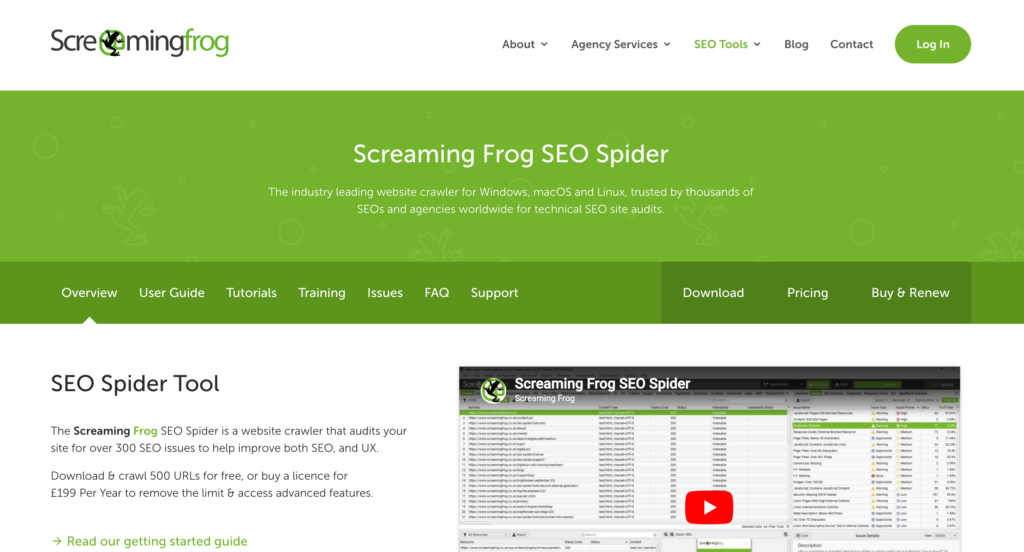
If your site has more than 500 pages, or if you are running SEO for clients, you need the paid version. At £259 per year, it is one of the most cost-efficient paid tools in any SEO toolkit. The paid version adds JavaScript rendering, scheduled crawls, Google Analytics and Search Console integrations, and significantly expanded data export options.
For technical SEO audits on Nigerian e-commerce sites with large product catalogues, it is irreplaceable. The depth of crawl data it produces is something no other tool at this price point comes close to matching.
Cost: £259/year Best for: Technical SEO audits on larger sites
18. BrightLocal
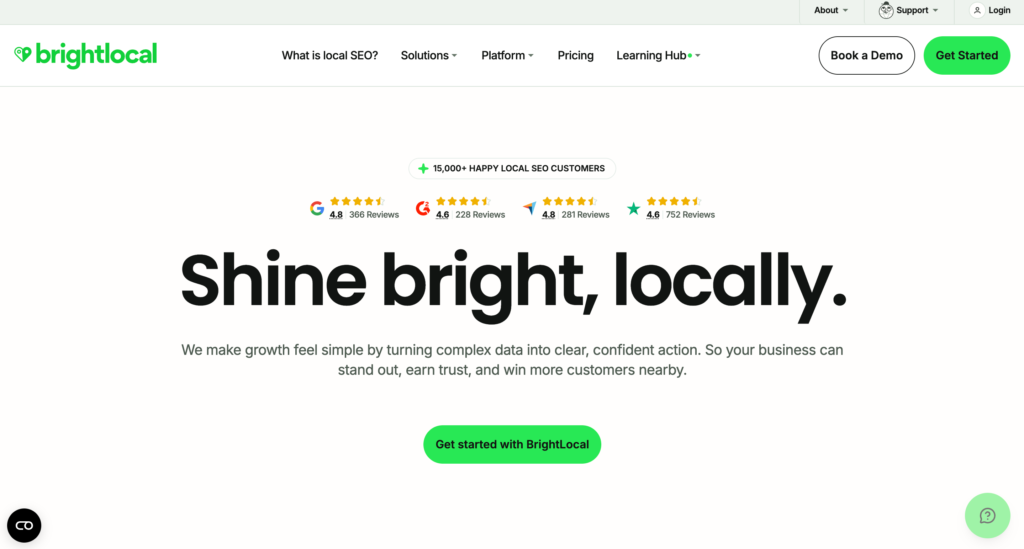
If your business serves a local market, and that includes every restaurant, clinic, cleaning company, law firm, property agency, and logistics provider in Lagos or Abuja, BrightLocal is the most purpose-built tool for what you are trying to do.
It handles local rank tracking (showing you where you appear in map pack results by neighbourhood), citation management, review monitoring, and Google Business Profile auditing. The mental health practice owner in the Reddit discussion above built his way to ranking #1 and #2 in the local map pack using BrightLocal as part of his stack, doing it entirely without a marketing budget.
Cost: Starts at $39/month Best for: Local SEO, multi-location businesses
19. Nightwatch
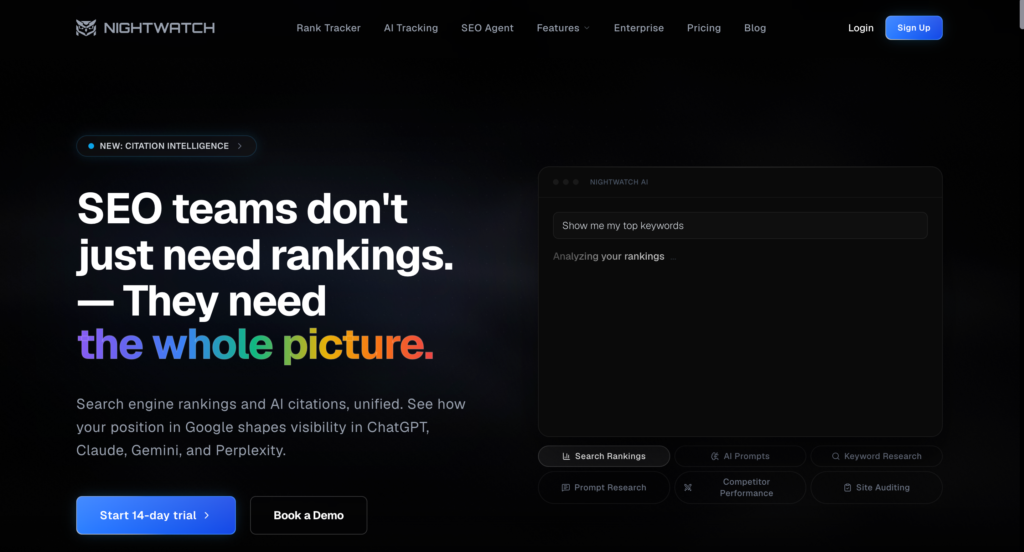
Rank tracking at a granular level is Nightwatch’s core strength. Where most tools track your keyword rankings nationally or by broad region, Nightwatch lets you track by city, neighbourhood, and even specific coordinates. For a Nigerian fintech or healthcare brand trying to rank “savings app in Lagos Island” versus “savings app in Lekki,” that precision is the difference between actionable data and noise.
Cost: Starts at $39/month Best for: Local rank tracking, hyper-targeted position monitoring
20. AccuRanker
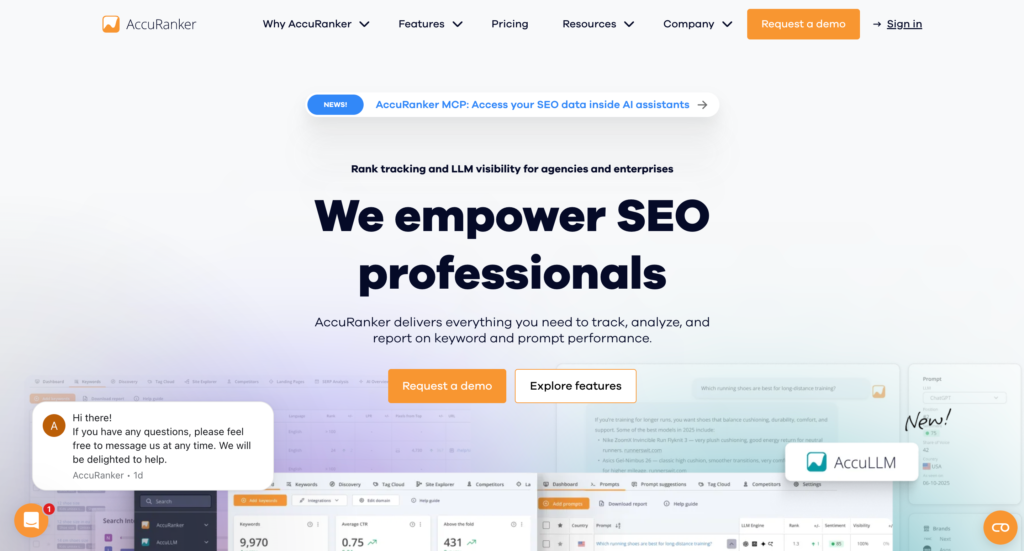
If you are serious about rank tracking and want daily updates with minimal latency, AccuRanker is consistently rated as the fastest and most accurate rank tracker on the market. It is not an all-in-one tool. It does rank tracking and does it better than almost anything else.
The tradeoff: you will want a separate keyword research and site audit tool to complement it. For teams that already have Ahrefs or Semrush, AccuRanker as a dedicated rank tracker is a meaningful upgrade.
Cost: Starts at $129/month Best for: Agencies and teams that need fast, accurate rank data
21. Majestic
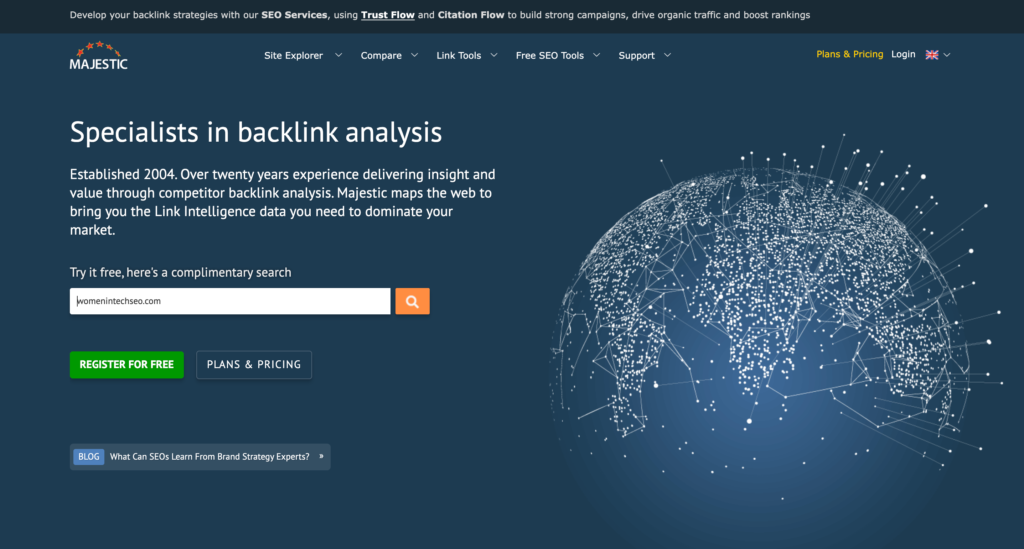
Majestic built the internet’s first major backlink index and is still, for pure link analysis, one of the most powerful tools available. Two proprietary metrics, Trust Flow and Citation Flow, give you a qualitative assessment of any website’s link profile that complements the volume-focused data from Ahrefs.
For digital PR work and link prospecting, which is a core part of how we built MainSqueeze’s organic traffic by 4,800% in 8 months, Majestic’s topical trust flow helps identify whether a potential linking site is genuinely authoritative in the relevant niche.
Cost: Starts at $49.99/month Best for: Link analysis, digital PR research
22. Sitebulb
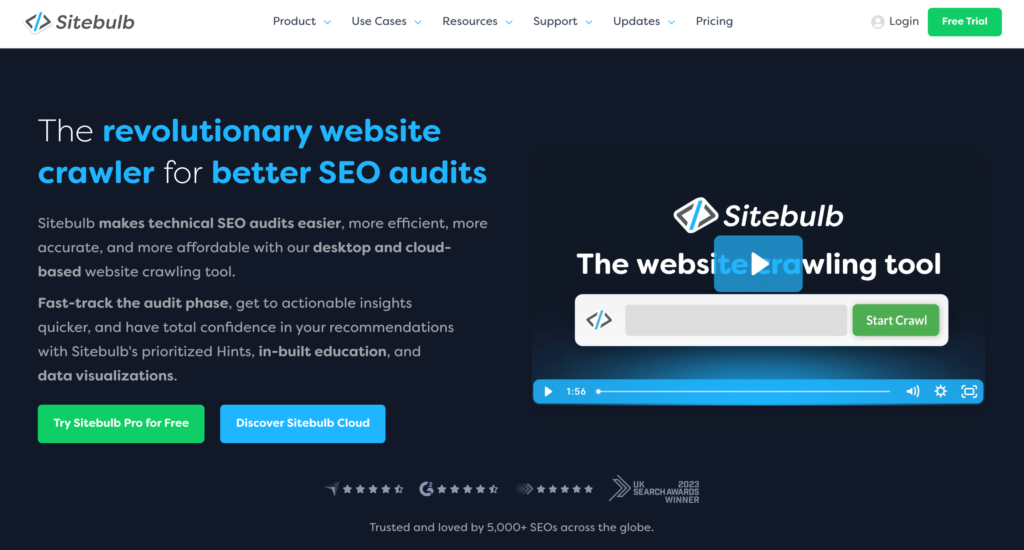
Think of Sitebulb as a more visual, more interpretive version of Screaming Frog. Where Screaming Frog gives you raw data and lets you figure out the implications, Sitebulb explains what the crawl findings mean and how to prioritize them. For Nigerian marketing managers who are not technical SEOs but need to run audits and communicate findings to developers, this is the more accessible choice.
Cost: Starts at $13.50/month Best for: Technical SEO audits with non-technical outputs
23. KeySearch
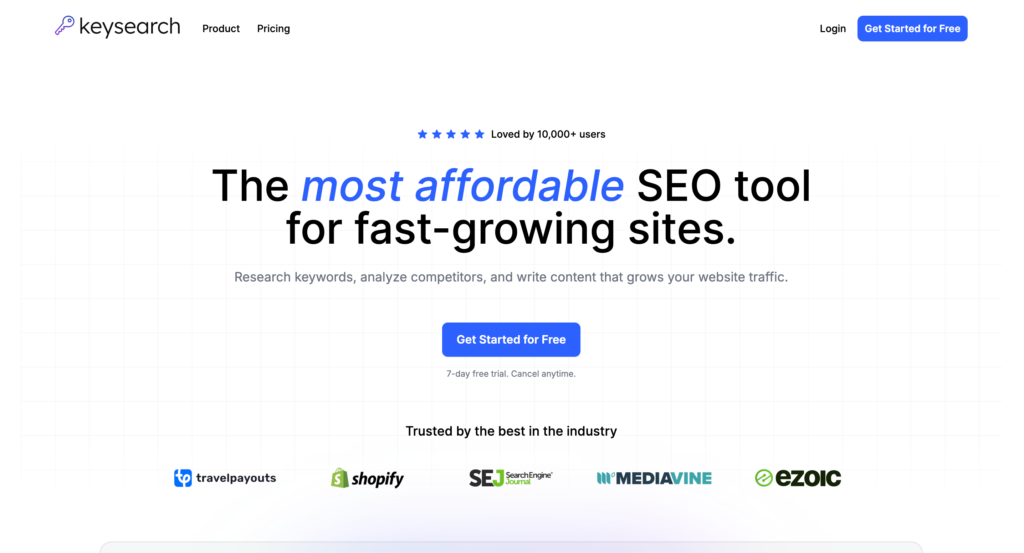
Budget keyword research done well. KeySearch gives you keyword difficulty scores, search volumes, rank tracking, and competitor analysis at $17/month. It does not match Ahrefs on data depth, but for a Nigerian startup or solo founder in the early stages of SEO, the fundamentals it covers are more than enough to build a working keyword strategy.
Cost: $17/month Best for: Budget keyword research, early-stage SEO
24. Gumloop
This is the most forward-looking tool on this list. Gumloop is an AI workflow automation platform that connects to your existing SEO tools, including Semrush, Ahrefs, and Google Search Console, and lets you build automated workflows without writing a single line of code.
Practical examples: automatically pulling keyword ranking drops and sending alerts to Slack, generating content briefs from competitor keyword gaps, and batch-processing technical audit data into prioritized fix lists. For Nigerian digital marketing teams with small headcounts managing large content programmes, this kind of automation is not a nice-to-have.
Cost: Free plan available; paid from $97/month Best for: SEO workflow automation, scaling content operations
25. SimilarWeb
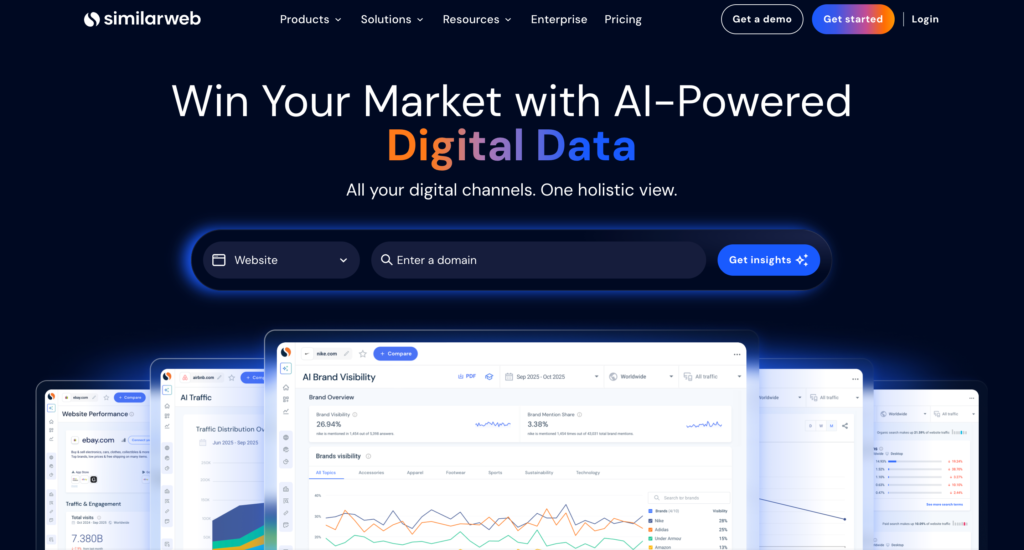
Where Ahrefs estimates traffic based on keyword data, SimilarWeb estimates it based on panel data and clickstream analysis. The methodologies produce different numbers. Smart practitioners use both and triangulate. SimilarWeb is particularly strong for understanding traffic source breakdowns, helping you see whether a competitor’s success is coming from organic search, direct traffic, referrals, or paid channels.
Cost: Free tier available; paid plans from $149/month Best for: Competitive intelligence, traffic source analysis
26. Serpstat
A Ukrainian-built SEO platform that has grown into a legitimate all-in-one alternative to Semrush and Ahrefs at a lower price point. Serpstat is particularly strong on keyword clustering, which is the process of grouping related keywords to build topical authority rather than targeting each term individually. It also has a capable competitor analysis module and rank tracking.
Cost: Starts at $59/month Best for: Keyword clustering, budget all-in-one SEO
27. Looker Studio (Google Data Studio)
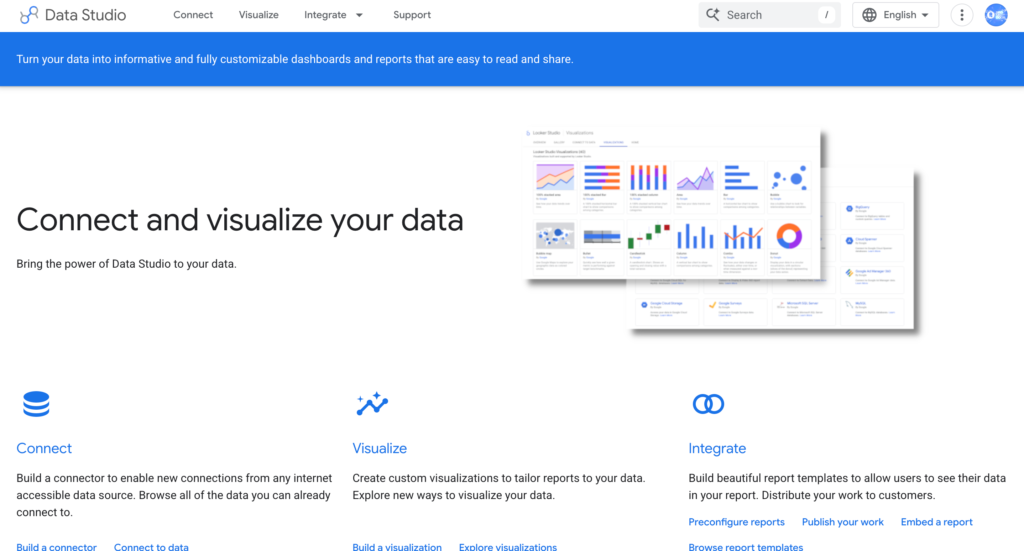
Free, powerful, and genuinely underused by Nigerian agencies and marketing teams. Looker Studio pulls data from Search Console, GA4, Google Ads, and dozens of other sources into custom visual dashboards that you can share with clients or internal stakeholders.
The SEO application: building a single dashboard that shows organic traffic trends, keyword ranking changes, conversion data, and page-level performance without jumping between five different tools. Every client we work with at SEO Next Door gets a custom Looker Studio dashboard so they can see exactly what their SEO investment is doing in real terms.
Cost: Free Best for: SEO reporting, client dashboards, internal analytics
28. Rank Math (WordPress Plugin)
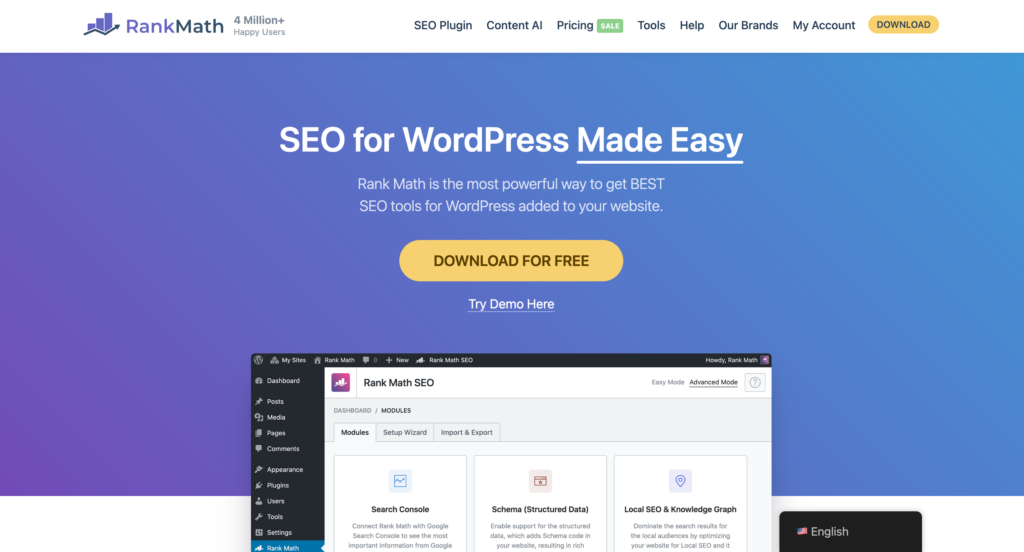
If your website runs on WordPress, and a significant proportion of Nigerian business sites do, Rank Math is the best free on-page SEO plugin available. It handles title tag and meta description management, schema markup, XML sitemap generation, and basic content optimization scoring.
The free version covers everything most SMEs need. It outperforms the better-known Yoast SEO in terms of feature depth at the free tier, including multi-keyword optimization and built-in analytics integration.
Cost: Free; Pro version from $6.99/month Best for: WordPress on-page SEO, schema markup
29. ProductRank.ai
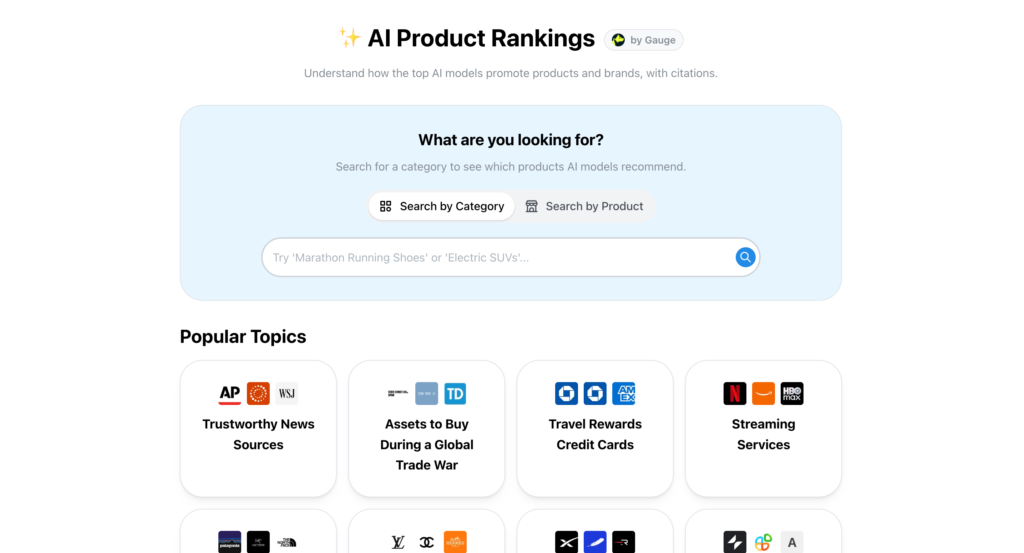
The newest category of SEO tool:
AI visibility tracking. ProductRank.ai monitors how often and in what context your brand appears in AI-generated search results from ChatGPT, Gemini, Perplexity, and Google AI Overviews.
In 2026, as more Nigerian consumers, especially younger users in Lagos and Abuja, use AI chat interfaces to research products and services before buying, knowing whether your brand appears in those results is increasingly material information. This category barely existed a year ago. It will be mainstream by the end of the year.
Cost: Contact for pricing Best for: AI search visibility monitoring, brand tracking in LLM results
30. Devaka SEO Bookmarklet
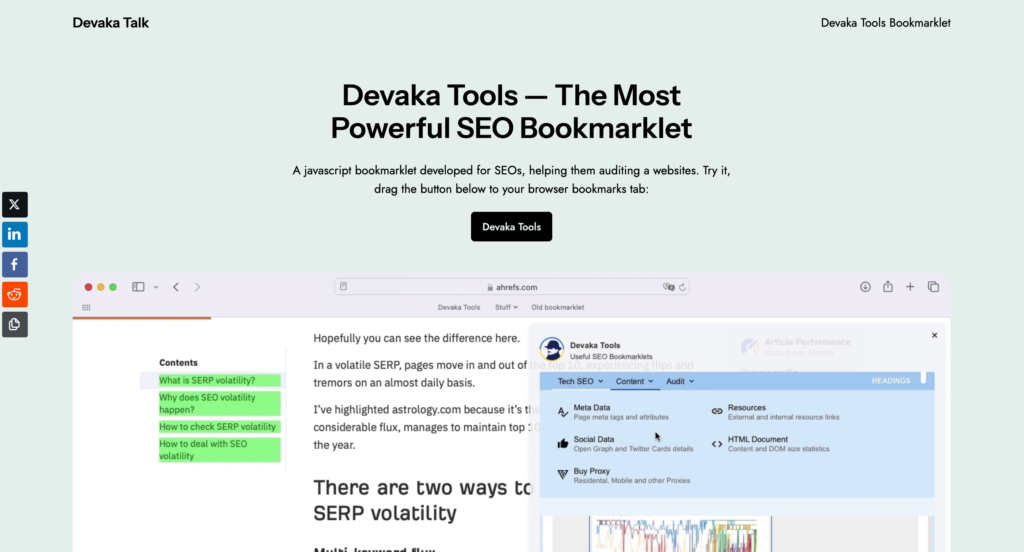
Deliberately saved for last because it is, without question, the most underrated tool on this entire list. The Devaka SEO bookmarklet is a free browser bookmarklet that, when clicked on any page, gives you an instant overlay of on-page SEO data: title tags, meta descriptions, heading structure, canonical tags, noindex status, hreflang tags, internal link counts, and more.
No login. No subscription. No dashboard. You click the bookmarklet on any page and see its SEO anatomy in about two seconds. For quick on-page audits, competitor page analysis, and client site reviews during calls, this saves more time than tools that cost hundreds of dollars a month.
Cost: Free Best for: Quick on-page analysis, competitive page audits
Want to Turn Organic Search Into Your #1 Revenue Channel?
Let’s Talk →How to Build an SEO Tool Stack That Makes Sense for a Nigerian Business
Here is the clearest way we know to think about this.
Every Nigerian SME needs three categories covered: data collection, content optimization, and technical auditing. Everything else is either an upgrade to one of those three or a specialist addition for a specific problem you have identified.
| Category | Free Option | Paid Upgrade |
|---|---|---|
| Keyword & Competitive Data | Google Search Console + Keywords Everywhere | Ahrefs or SE Ranking |
| Content Optimization | AlsoAsked + AnswerThePublic | Surfer SEO or NEURONwriter |
| Technical Auditing | Screaming Frog (free) + Bing Webmaster Tools | Screaming Frog (paid) or Sitebulb |
| Local SEO | Google Business Profile + Search Console | BrightLocal or Semrush |
| Rank Tracking | SE Ranking (starter) | Nightwatch or AccuRanker |
| Reporting | Looker Studio | Looker Studio (still free) |
Start with the free column. Fix every problem those tools surface. When you have exhausted what the free tools can show you, that is your signal to invest in the paid upgrade. Not before.
The Most Honest Thing We Can Tell You About SEO Tools
Buying the most expensive tool does not make you an SEO. Owning a professional kitchen does not make you a chef.
One of the most insightful pieces of commentary in that Reddit thread came from a business owner who ran through multiple agencies, had to rebuild his website from scratch, disavow bad backlinks from people who were supposed to help him, and then learn SEO on his own to fix the damage:
“There are no silver bullets in marketing. You’ll hear about hacks and tricks but they usually are full of it. Everyone is willing to take your money. Invest in your website and use Google Business… Fill them out, post weekly or more often if you can. Add pictures and videos. Get 5-star reviews with keywords if you can.”
The tools on this list are instruments. What you do with them depends on how clearly you understand your audience, your competition, and the specific bottleneck in your current SEO performance.
We have helped Nigerian brands including Oxgital, Tayo Aina, and DualMint build organic search into a consistent acquisition channel. The tools were a piece of that. The larger piece was a clear understanding of what each brand needed to rank for, why they were not ranking yet, and which specific technical, content, or authority gaps were holding them back.
Tools answer questions. You have to know which questions to ask first.
Want to Turn Organic Search Into Your #1 Revenue Channel?
Let’s Talk →What to Do Right Now
If you have read this far, you are not looking for another tool recommendation. You are looking for a clearer picture of where your SEO actually stands and what is genuinely holding you back.
That is exactly what our SEO audit and strategy call is designed to surface. We look at your current organic performance, identify the specific gaps, and give you a prioritized roadmap that tells you which tools, which content, and which fixes will have the biggest impact on your business.
No generic proposals. No recycled templates. A real read of your situation from a team that has done this work with real Nigerian businesses.