












Company
Tayo Aina
Industry
Creator Economy
Worked With
Tamilore Adewuyi (Founder, Creator Scale Academy)
Service(s)
Content Strategy, Email Marketing, SEO Strategy, Conversion Rate Optimization
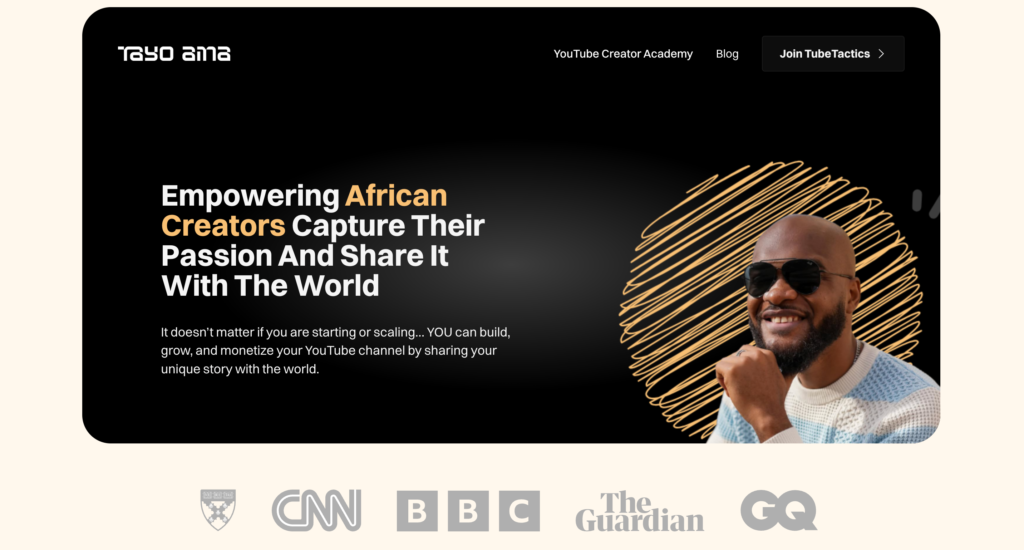
Tayo Aina is a YouTube creator and educator helping aspiring and growing creators understand how YouTube actually works
Beyond content, the brand runs The YouTube Creator Academy, a YouTube growth course designed to help creators grow sustainably without burnout, gimmicks, or relying on viral hits.
With a newsletter audience of over 100,000 subscribers, the brand already had reach.
What it didn’t yet have was a system to consistently turn that reach into engagement, revenue, and compounding organic traffic.
For Tayo Aina, content wasn’t meant to be just “posting more.”
It needed to become:
- A feedback loop with the audience
- A predictable way to sell the course
- And a long-term traffic engine through search
That’s where we came in.
The Project
When we started working with the team, the opportunity was obvious.
- A large email list.
- A strong personal brand.
- A clear product.
But the challenges were just as clear.
The newsletter had been inconsistent.
Many subscribers were cold, imported, or inactive.
There was no clear system for testing ideas or driving sales.
And while blog content existed, it wasn’t compounding.
Most brands in this situation choose one lane:
- Email for sales
- SEO for traffic
We decided not to choose.
The goal was to build one system where:
- Email drives engagement and revenue
- Blog content compounds those insights into search traffic
The Strategy
Our strategy was built on three principles:
1. The Newsletter Comes First
We treated the newsletter as:
- A weekly experiment
- A place to test angles, ideas, subject lines, and CTAs
- A real‑time feedback loop with the audience
If something worked in email, it earned the right to live forever on the blog.
2. Repurpose What Proves Itself
Every newsletter was repurposed into a blog post, but as search‑intent‑driven content.
This meant:
- Zero guesswork
- Built‑in validation
- Content already shaped by real readers
3. Optimize for Humans First, Algorithms Second
The goal wasn’t “SEO articles.”
The goal was:
- Content that answers real YouTuber questions
- Headlines that compete with Reddit and Quora
- Structure that AI Overviews can’t ignore
What Actually Happened During The Execution?
Newsletter Performance Breakdown (As It Happened)
Instead of treating the newsletter as a single campaign, we treated each send as a data point.
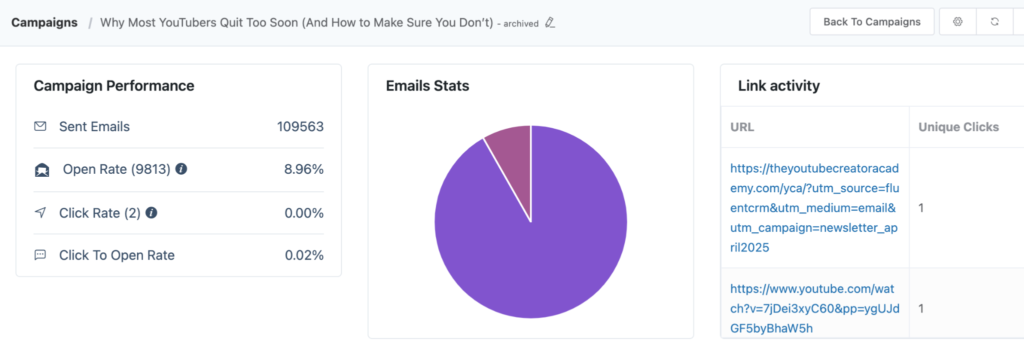
We published a total of 15 newsletters in the first 3 months, and here’s the performance breakdown of each of the newsletter campaigns
Newsletter #1
This is the very first newsletter we published on March 20th, 2025. Most of the subscribers haven’t been receiving any newsletters for months. Lots were imported as well.
With that, we got almost 10,000 people to read the newsletter
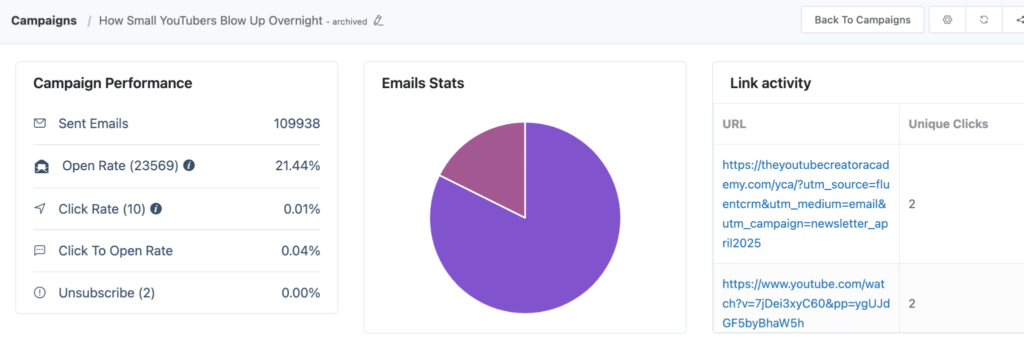
Newsletter #2
The open rate jumped to 21.44% for the second newsletter. Same audience and same messaging
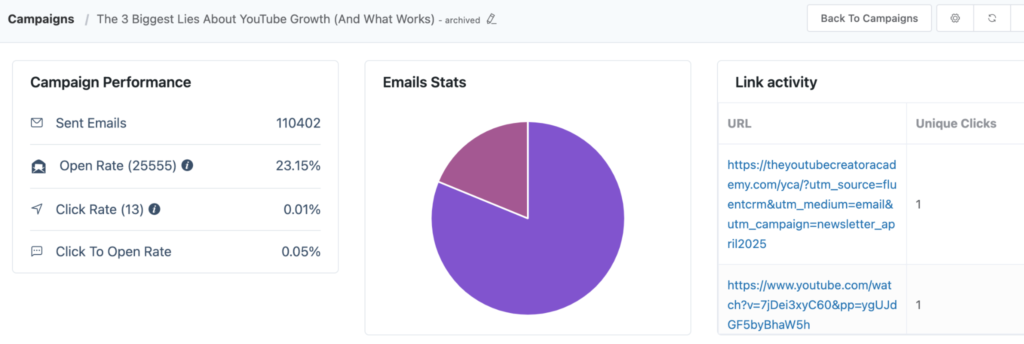
Newsletter #3
The open rate also improved during the third newsletter
Newsletter #4
We got this massive jump in open rate on April 10th, 2025. We got one unsubscribe, and the click rate was the highest in the month of April, and this is when we started adding the link to the landing page to the newsletter. It also showed revenue of 252 USD
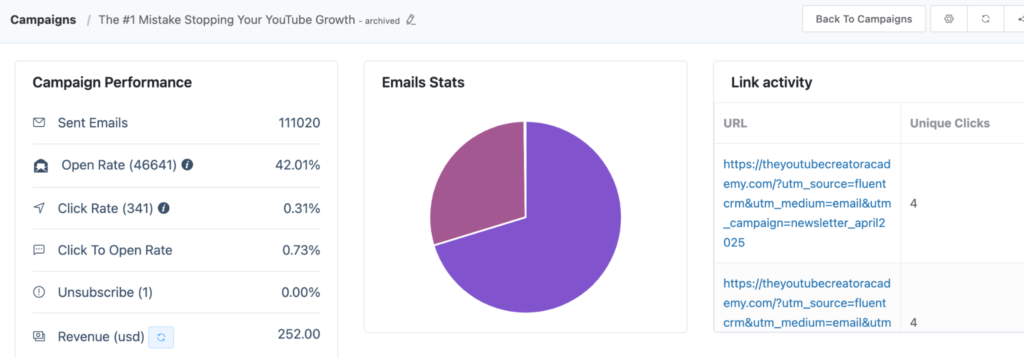
One of the reasons why this newsletter got a 42.01% open rate is due to the subject line A/B testing
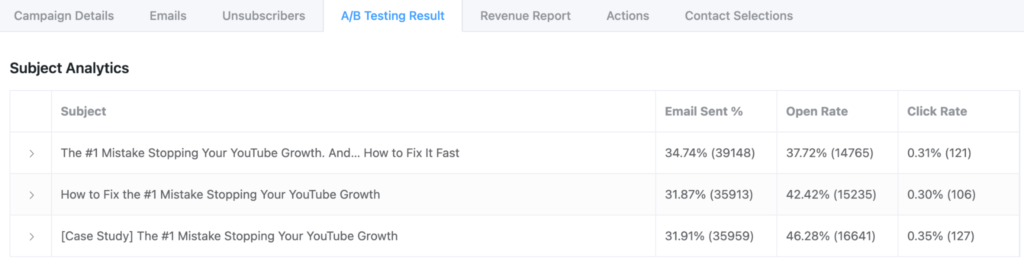
Newsletter #5
There’s a sudden drop in open rate on April 17th, 2025. We thought it was a change in behavior and the newsletter content, which is normal.
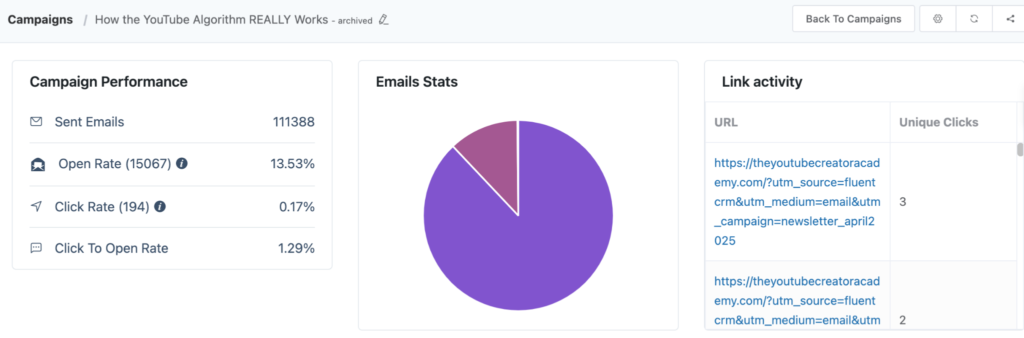
Even though this newsletter got 0 unsubscribers, we also did some A/B testing for this campaign, but it wasn’t successful, unlike the last campaign
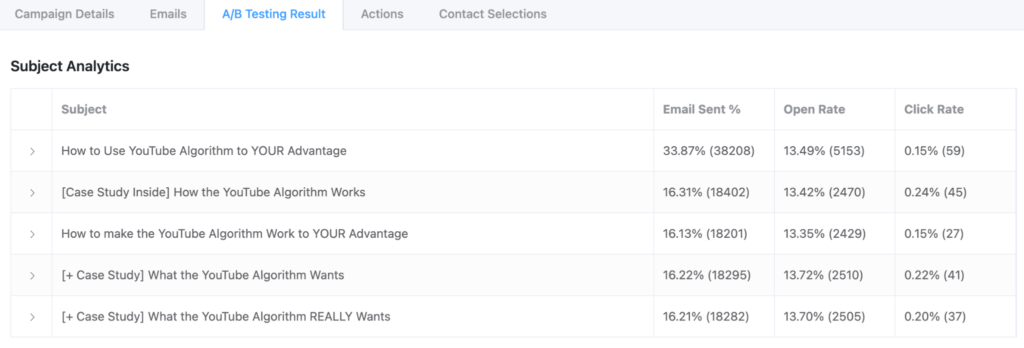
Newsletter #6
The A/B testing for the previous campaign was successful, while the last wasn’t good enough. So, we thought the A/B testing for the last campaign could be like that. But there was a little uptick in the open rate for this campaign
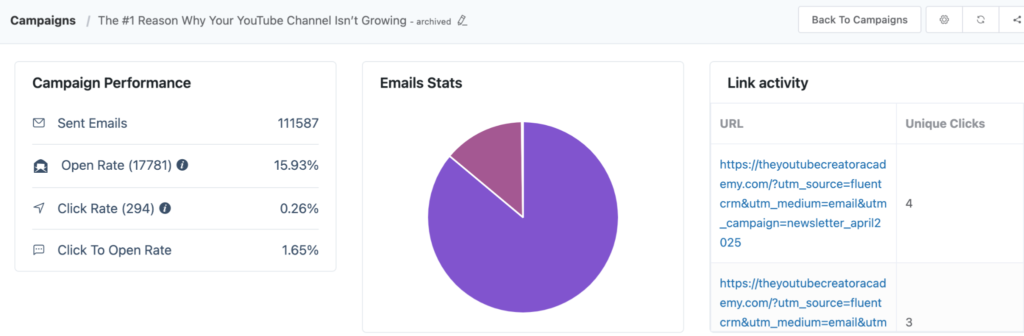
PS: There were no unsubscribes at all in the last two campaigns, even though the open rate dropped.
Newsletter #7
The open rate for the last 2 newsletters + this campaign is so close, and what we could deduce from that is that the same group of subscribers is reading the newsletter
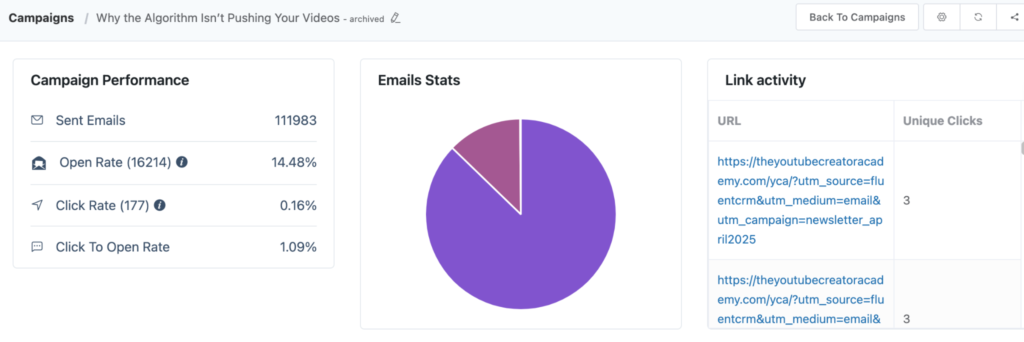
Why most stopped reading or haven’t read the last 3 newsletters might be natural causes, like maybe their inboxes are full of emails, or they most likely stopped prioritizing reading the newsletter
We also didn’t do any A/B testing in this campaign, and the open rate is so close to the campaign we did A/B testing for, which is when we knew we had to do something to the A/B testing for the subsequent campaigns
We’ll be addressing some reasons in the coming campaigns below
Newsletter #8
The open rate for this campaign is also close to the last 3 campaigns, but it has improved
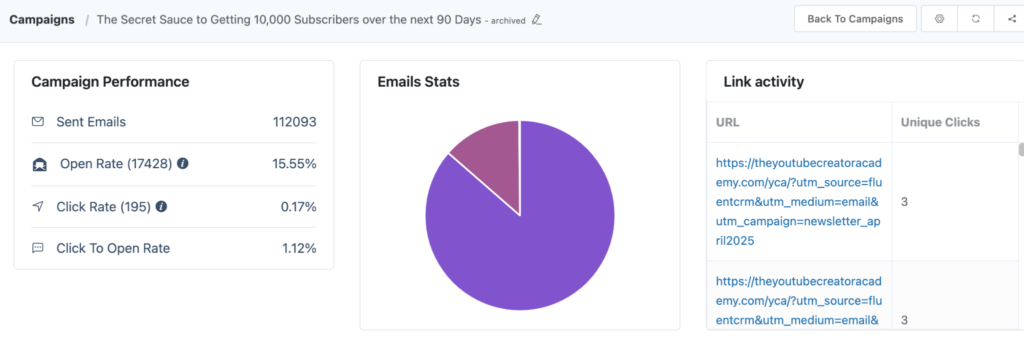
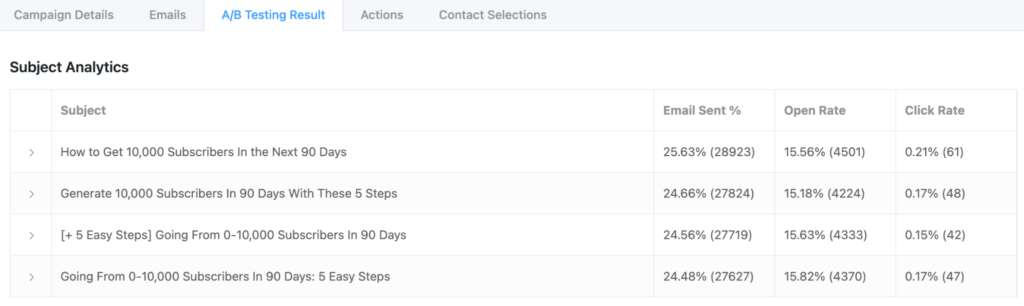
We decided to do A/B testing again, and we were careful about it. The open rate for all 4 subject lines was really close (as shown in the screenshot below)
Newsletter #9
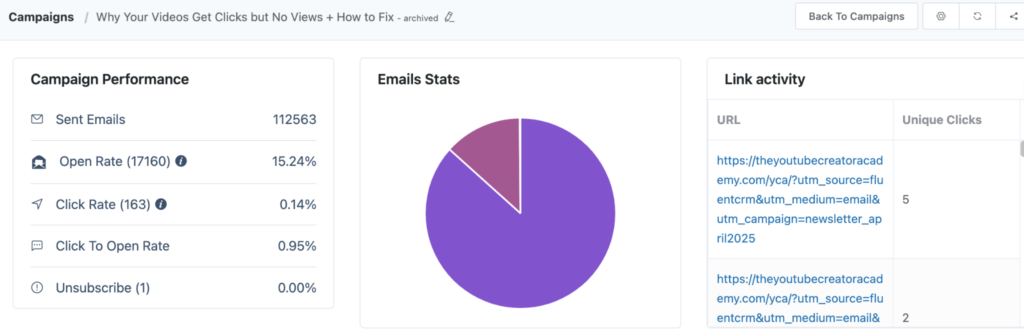
In this campaign, we thought, “Maybe it’s not A/B testing issues”. So, we checked the previous newsletter to see what’s missing. Coincidentally, we needed to delete the unengaged subscribers, so we suggested that we do some segmentation. We segmented the active subscribers and non-active subscribers
The open rate stayed the same, and that’s when we knew that the issues came from the unengaged subscribers
Newsletter #10
The segmentation worked. This newsletter was sent to 30,000 subscribers, and almost half of them read it. This is our most performing newsletter, and it got 0 subscribers, and it has the highest click rate so far
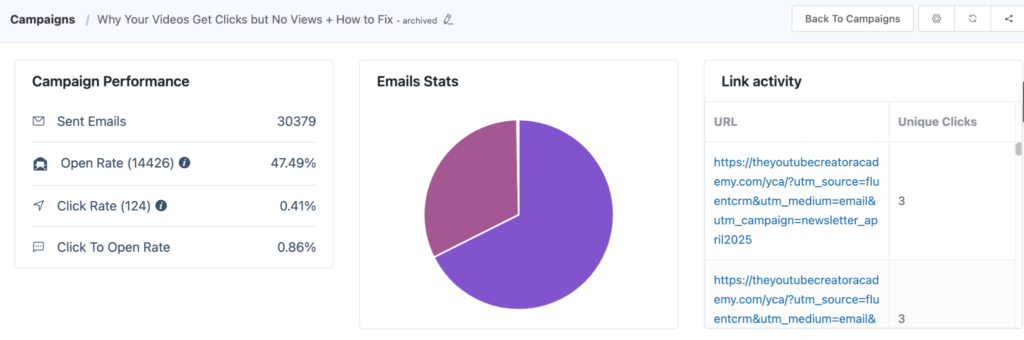
The A/B testing also contributed to the opens because we learned to add short subject lines
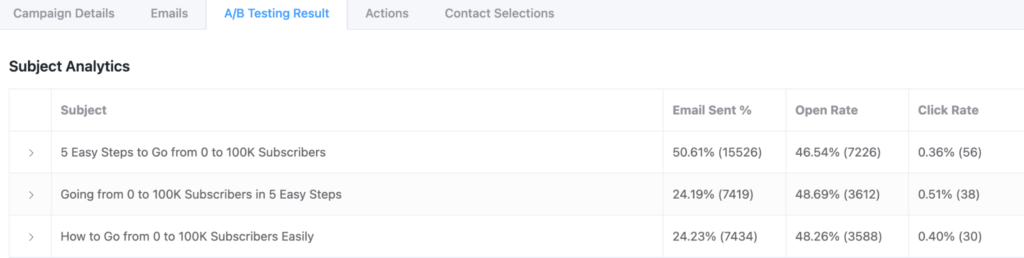
Newsletter #11
The success of this campaign is similar to that of the last one. The open rate and the click rate have reduced a bit, but it maintains the momentum
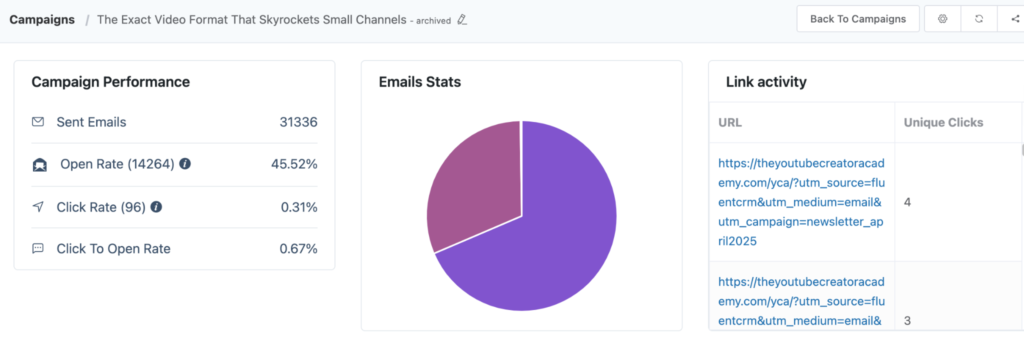
Newsletter #12
We wanted to delete all subscribers who don’t engage with our newsletters. Then, we thought we should create a separate list for them and send them a separate newsletter to see how they react to it, and then we modified the segmentation
The number of audience members changed in this campaign because we decided to change the rule of the segmentation. For this list, we put together all the subscribers that have read one or more of our newsletters. This is why the audience jumped from 31,000 to 72,000
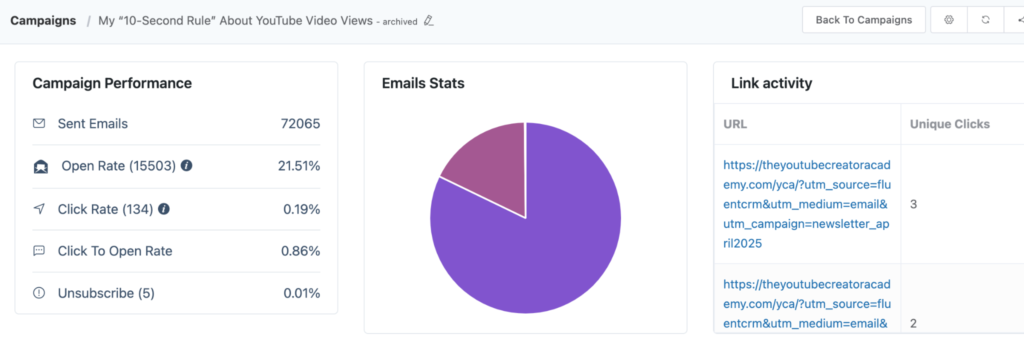
We did the A/B testing as well
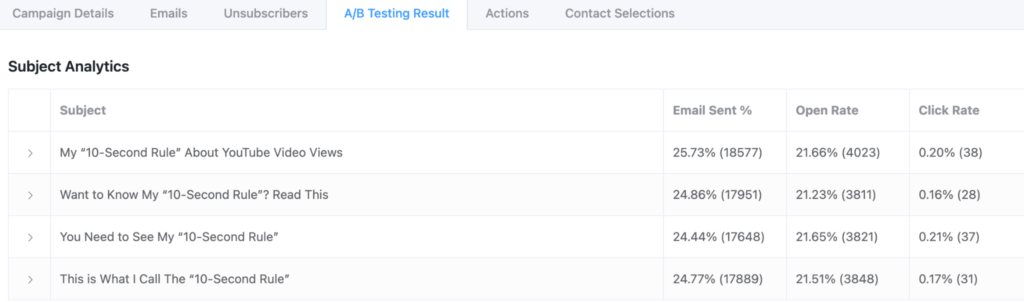
Newsletter #12
This is the second newsletter we sent the same week to the subscribers who don’t engage with our newsletter. The open rate was so low, and that gave me the heads-up to delete them, as you already suggested, then
That also gave us a valid reason to delete them
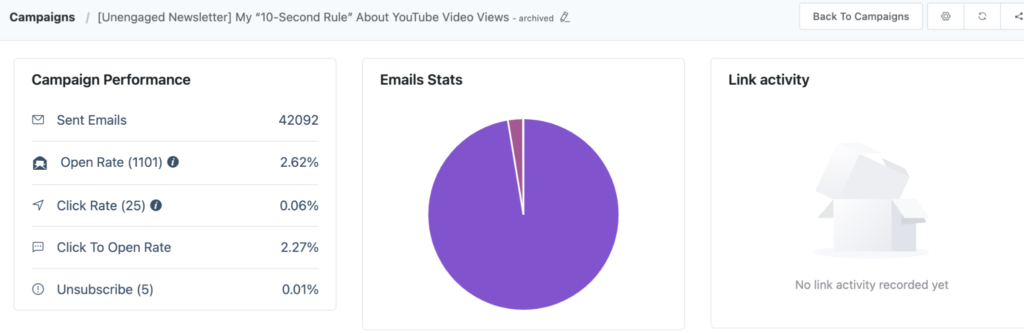
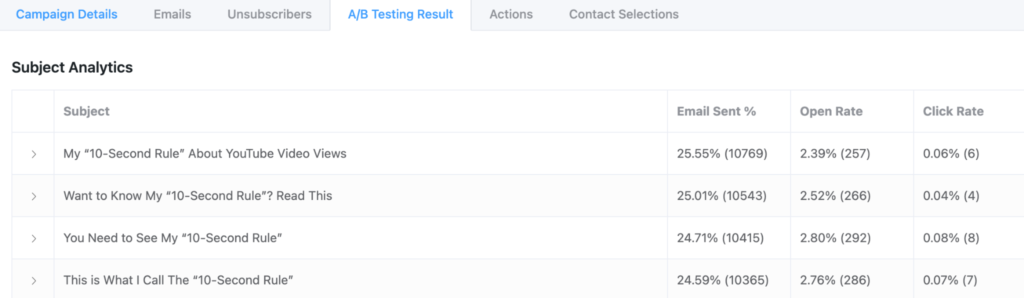
The A/B testing also shows that the subscribers are probably not even interested in engaging with our newsletters again
Newsletter #13
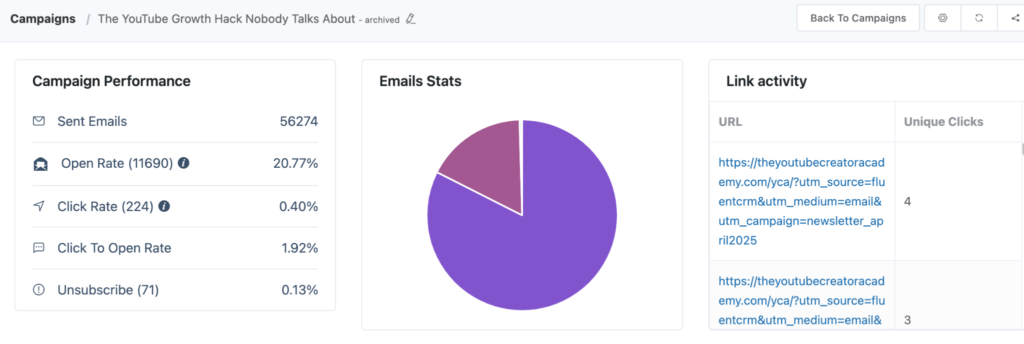
We deleted all the unengaged subscribers and all the people who unsubscribed from the newsletter, and the audience was chopped down to 56,274 subscribers. This campaign recorded a 20.77% open rate, and the click rate was the highest in June
Newsletter #14
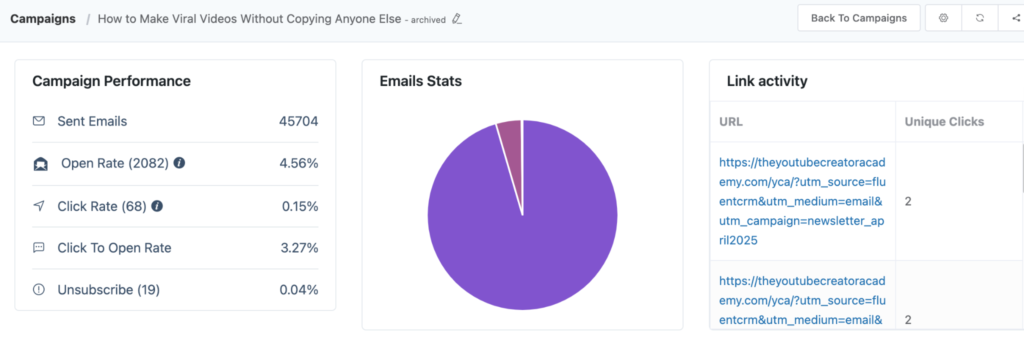
The result of this campaign was surprising, and we spent a chunk of my time figuring out why the open rate was so low.
Newsletter #15
We had a look at the list we’re sending the newsletter to because the last campaign in June had an almost 5% open rate, which was extremely low. Then, we realized that the rules of the segment we created had changed, which was around 45K subscribers, and we guessed there were lots of inactive subscribers in the segment. We fixed the segment again, and the active subscribers amounted to 73K
We had the highest open rate and click rate in the first week of July.
We also recorded a sale
We created a new approach for the subject lines we tested this month. We learned this from media blogs like Techpoint.
Here’s an example:
One of our team member read a newsletter from Techpoint Newsletter, and the subject line is “Lidya’s CEO, CTO exit, chaos follows”. Anyone who sees this may think the newsletter is about Lidya’s CEO and CTO exit, but here are some things they talked about in the newsletter:
- The newsletter started with what happened on the day (in the history of Nigeria) the newsletter was sent (since it’s a media blog, so he guesses this isn’t so bad). For example, Nigeria witnessed a bloody coup on July 29, 1966, that saw the assassination of Major General Johnson Aguiyi-Ironsi, Nigeria’s first military head of state, and Lt Col Francis Fajuyi
- What follows are bullet points of the theme of the newsletter
- Then, they talk about the Spiro electric bike (if they can hit $200m in 2025)
- Then they added a figure of the day showcasing a company (this is an ad)
- Then the startup news follows. About the exit of the CEO and CTO of Lidya and the chaos it caused
- Then, they also talked about how Orange taps JUMO to bring AI-driven loans to mobile users
- Then they share job opportunities
Here, they have lots of things going on that couldn’t be covered in a single subject line, so they had to make the subject line about the part of the theme of the newsletter
So, we did the same in July
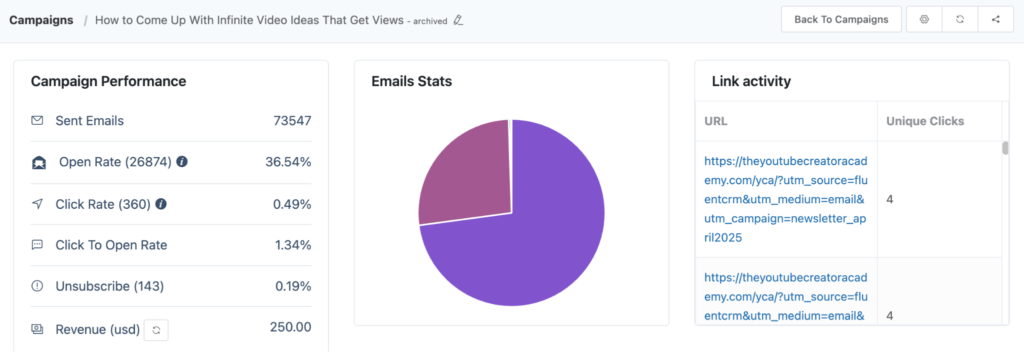
The title of this week’s newsletter was “How to Come Up With Infinite Video Ideas That Get Views”
But, we were able to generate 4 variations of subject lines.
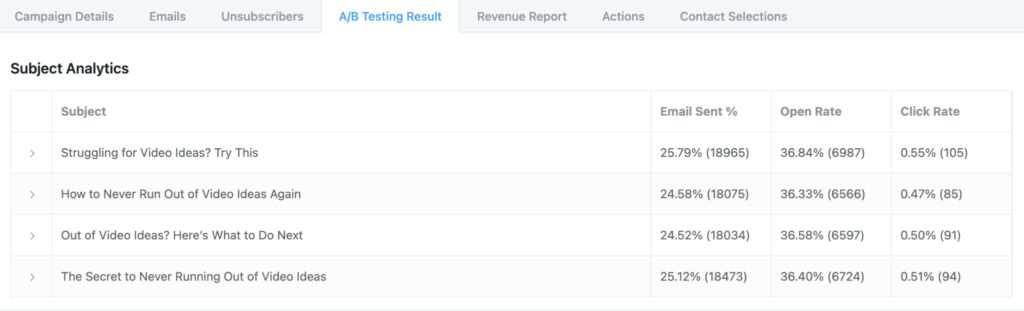
Newsletter #16
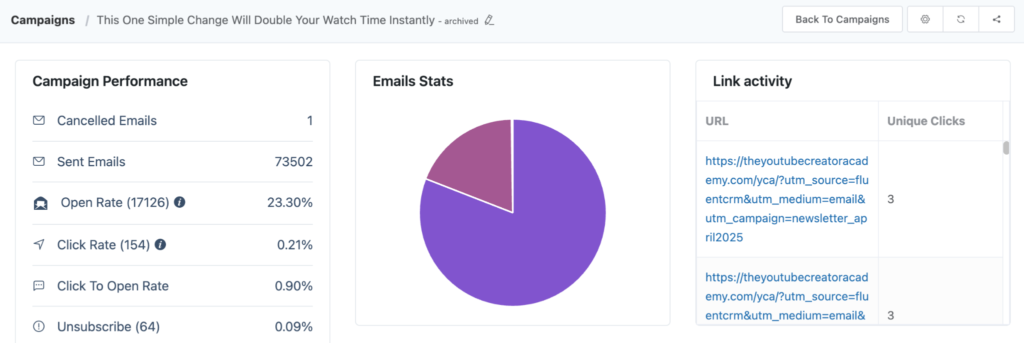
Even though we weren’t sure it worked at this point, we tested it the following week.
There’s a slight decrease in performance this week
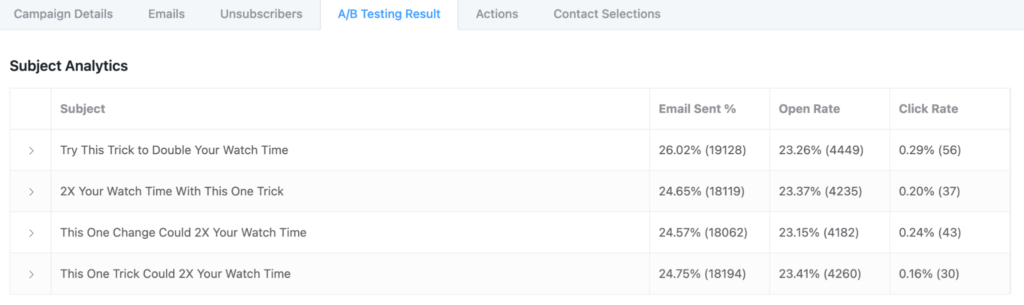
We also tested the subject lines as usual, and the results were so close to one another. You could see the wordplay with the “2X”
Newsletter #17
The performance shot up again this week
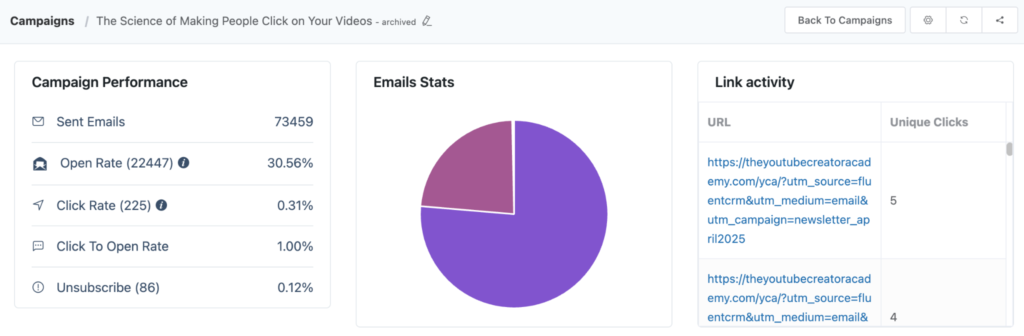
We didn’t only talk about clicks.
Tamilore once said to us during a call, “On YouTube, intro, titles, and thumbnails are the packaging, and that packaging is responsible for about 80% of your video’s success”. We had to ensure that we added “thumbnail” in the subject line and that the subject line had the highest click rate and came second in the open rate
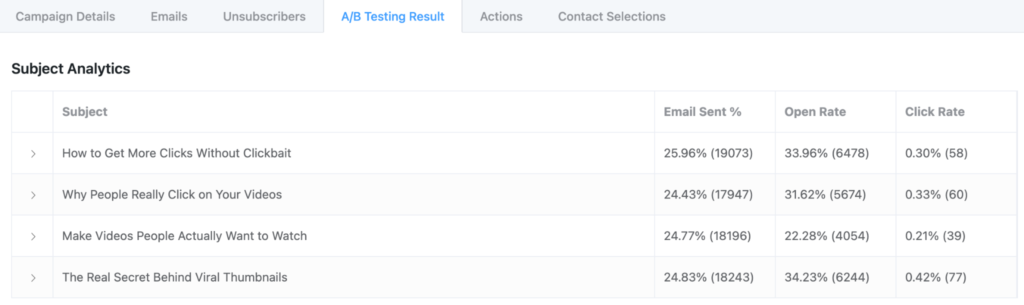
Newsletter #18
The performance went down again
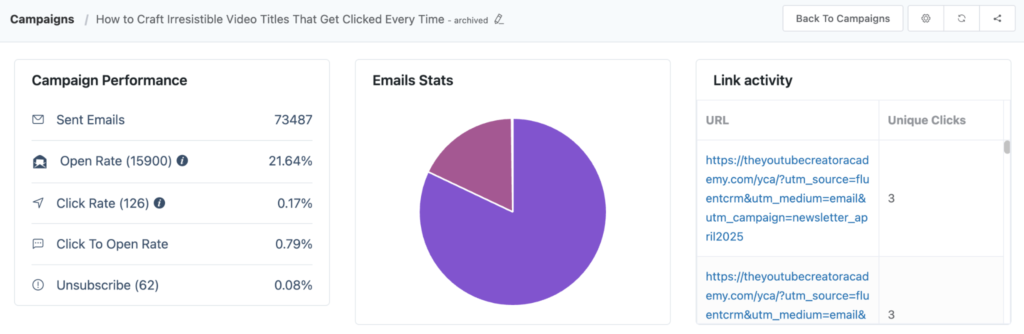
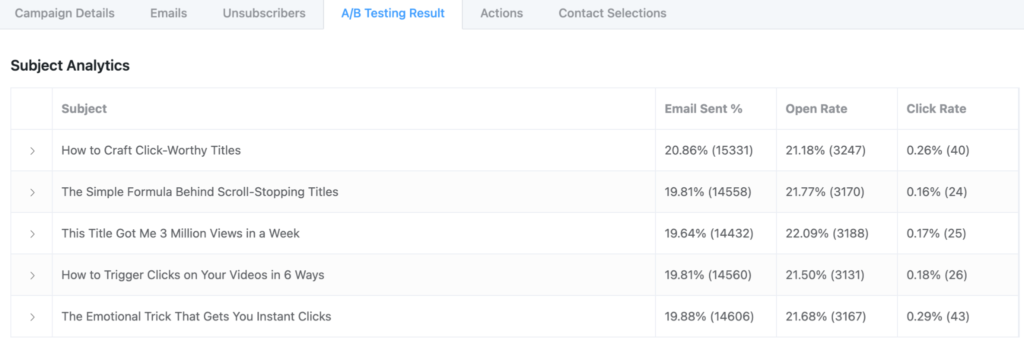
Even though we improved the subject lines we tested this week, we tested 5.
2 of them performed better in click rate
“This Title Got Me 3 Million Views in a Week” came from Tayo Yakutia’s case study that we added to this newsletter
Newsletter #19
This is the last newsletter of the month. It generated an almost 30% open rate, and we recorded a sale as well
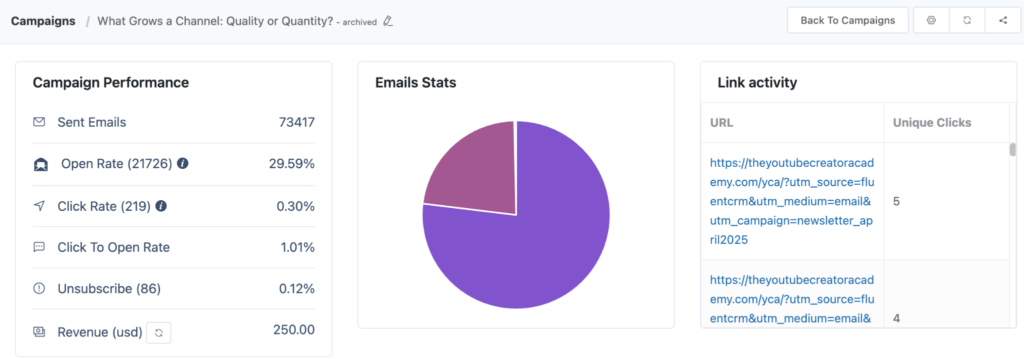
We tested the subject lines as usual. The subject lines performed way better than the previous 4 newsletters, as the lowest click rate is 49, which is impressive
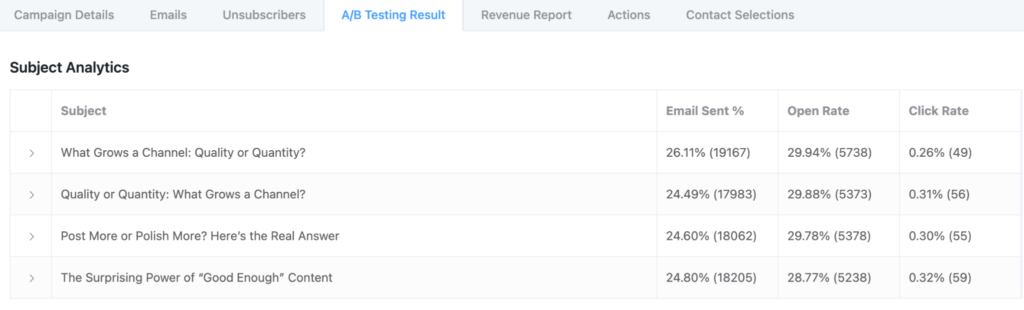
The bottom line is that the A/B testing of the subject lines has been improved and is getting better.
The SEO Content Flywheel
Every newsletter was published on the blog.
What happened next was the compounding effect we planned for.
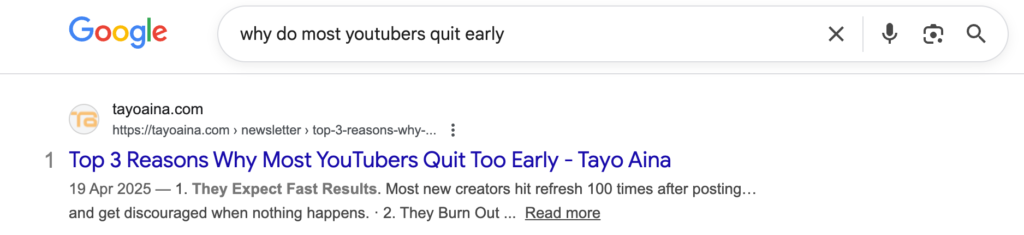
Top 3 Reasons Why Most YouTubers Quit Too Early
Ranks #1 for “why do most youtubers quit early” outranking a Reddit discussion and also appearing on AI overviews
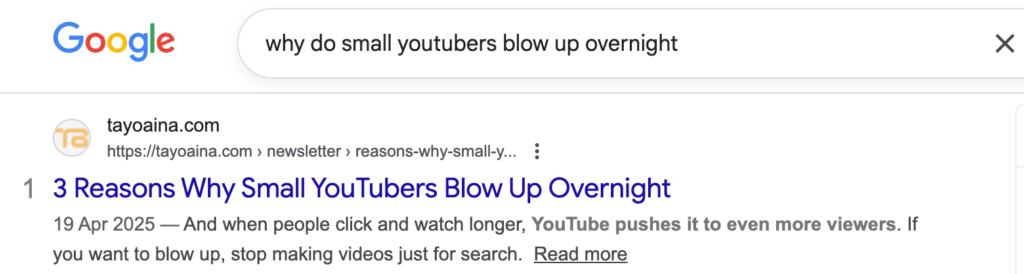
3 Reasons Why Small YouTubers Blow Up Overnight
Ranks #1 for “why do small youtubers blow up overnight” outranking a Reddit discussion and also appearing on AI overviews
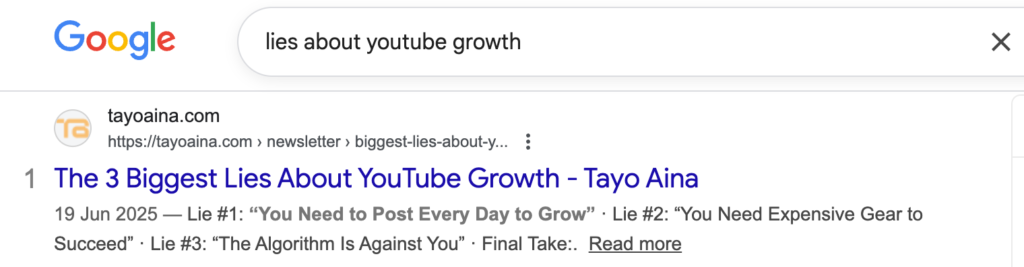
The 3 Biggest Lies About YouTube Growth (And What Actually Works)
Ranks #1 for “lies about youtube growth” outranking a Reddit discussion and also appearing on AI overviews
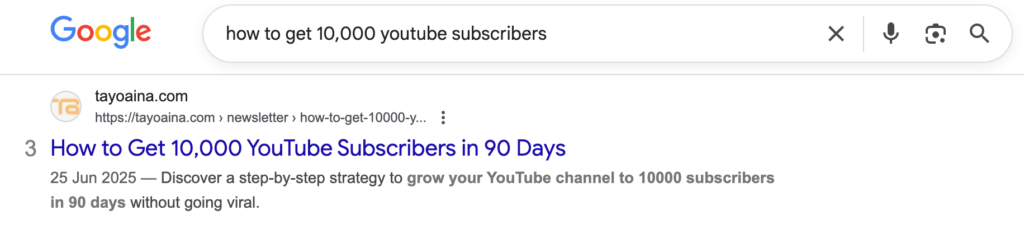
How to Get 10,000 YouTube Subscribers in 90 Days
Ranks #3 for “how to get 10,000 youtube subscribers” and also appears on AI overviews
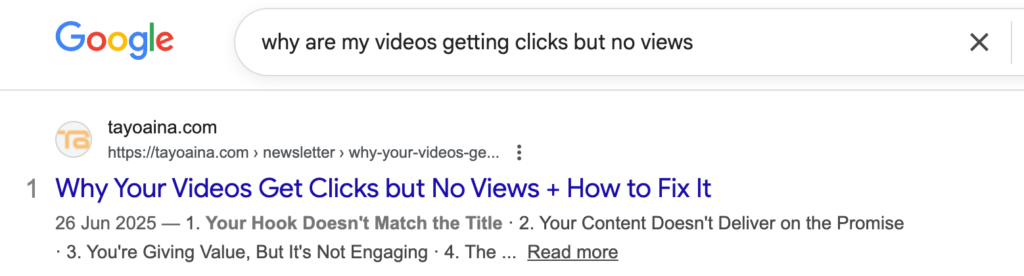
Why Your Videos Get Clicks but No Views (And How to Fix It)
Ranks #1 for “why are my videos getting clicks but no views”, outranking a Quora and Reddit discussion, and also appearing on AI overviews
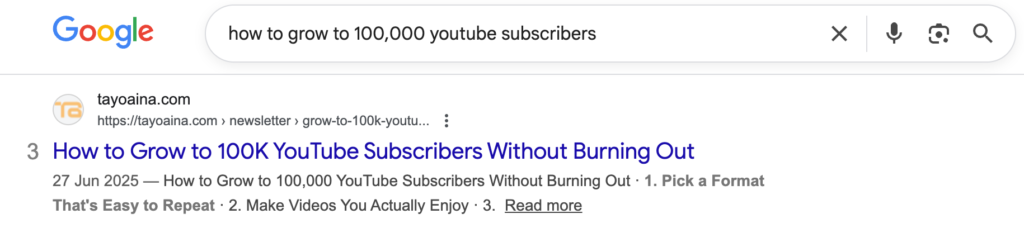
How to Grow to 100,000 YouTube Subscribers Without Burning Out
Ranks #3 for “how to grow to 100,000 youtube subscribers” and also appears on AI overviews
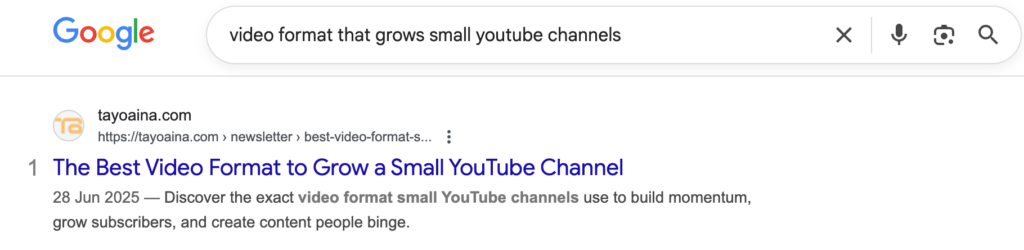
The Exact Video Format That Skyrockets Small YouTube Channels
Ranks #1 for “video format that grows small youtube channels” outranking a Quora discussion and also appearing on AI overviews
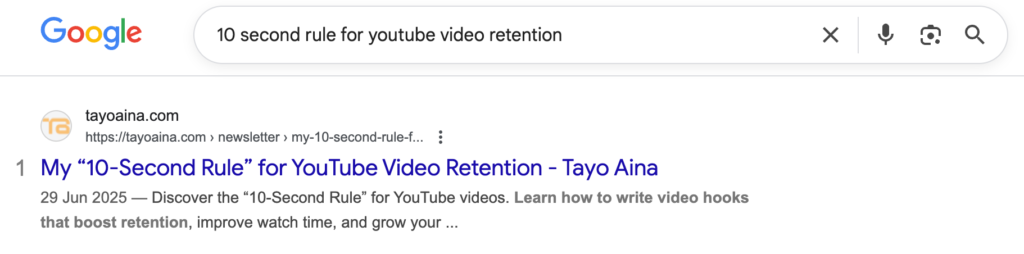
My “10-Second Rule” for YouTube Video Retention
Ranks #1 for “10 second rule for youtube video retention” outranking Reddit and Quora discussions, and also appearing on AI overviews
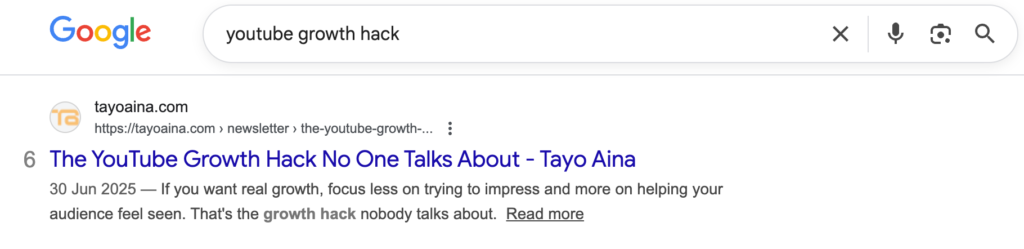
The YouTube Growth Hack Nobody Talks About (But It Works Like Crazy)
Ranks #6 for “youtube growth hack” outranking a Reddit discussion and also appearing on AI overviews. It also ranks #7 for “youtube growth hack”
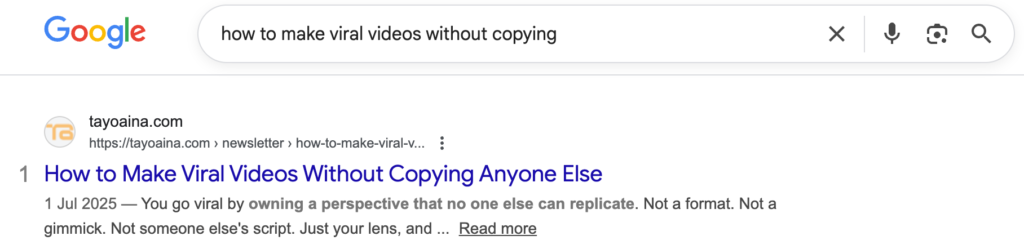
How to Make Viral Videos Without Copying Anyone Else
Ranks #1 for “how to make viral videos without copying” outranking a Reddit discussion and also appearing on AI overviews
How to Come Up With Infinite Video Ideas That Actually Get Views
Ranks #1 for “how to generate infinite video ideas” outranking Reddit and Quora discussions, and also appearing on AI overviews
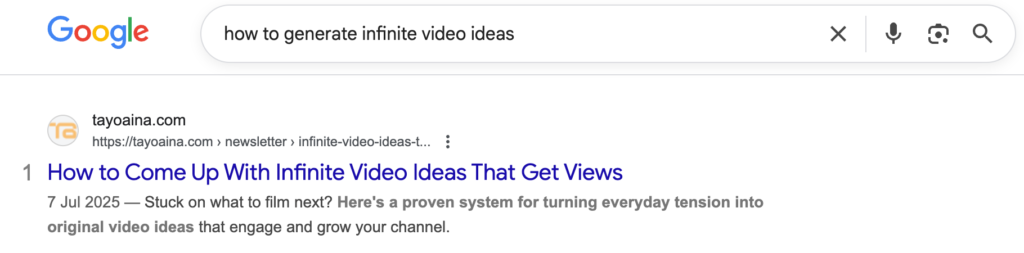
How to Double Your Watch Time with One Simple Change
Ranks #1 for “how to double youtube watch time” outranking Reddit and Quora discussions, and also appearing on AI overviews
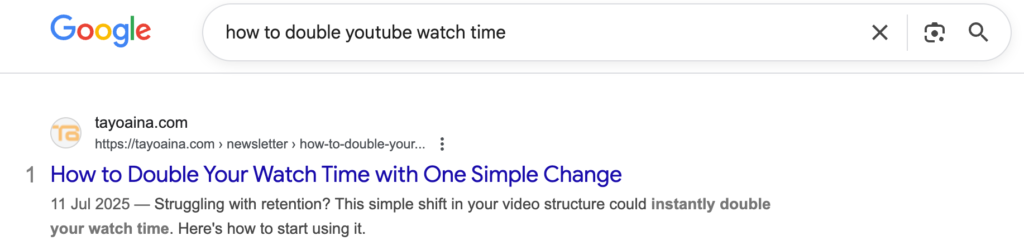
The Science of Getting More Clicks on YouTube (Without Using Clickbait)
Ranks #1 for “how to get clicks on youtube without clickbait” outranking Quora and Reddit discussions, and also appearing on AI overviews
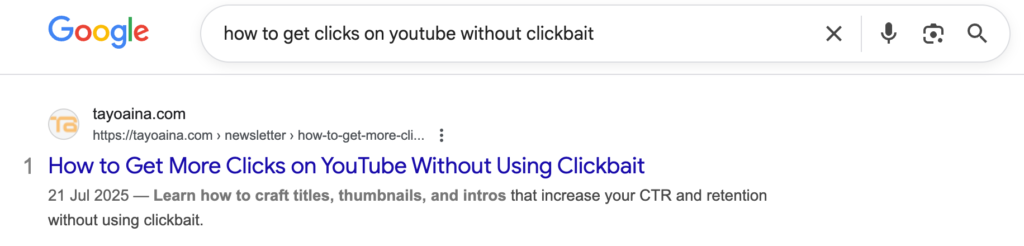
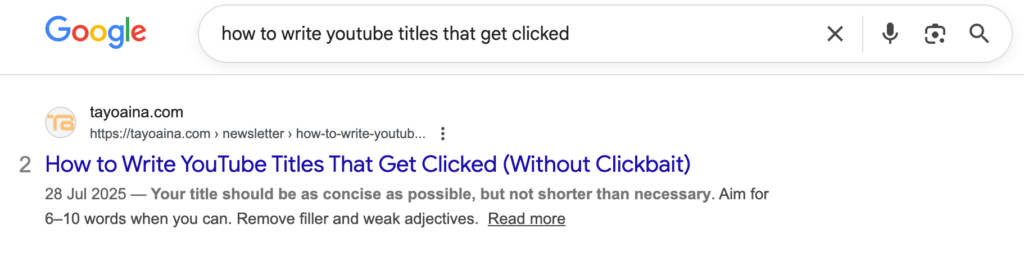
How to Write YouTube Titles That Get Clicked (Without Clickbait)
Ranks #2 for “how to write youtube titles that get clicked” also appearing on AI overviews
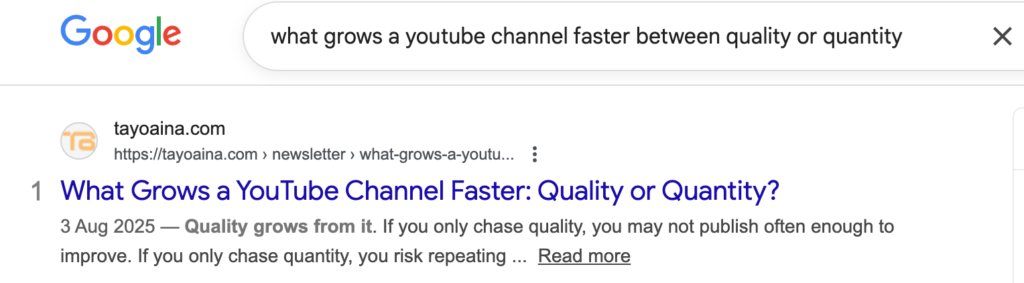
What Grows a YouTube Channel Faster: Quality or Quantity?
Ranks #1 for “what grows a youtube channel faster between quality or quantity”, outranking Reddit and Quora discussions, and also appearing on AI overviews
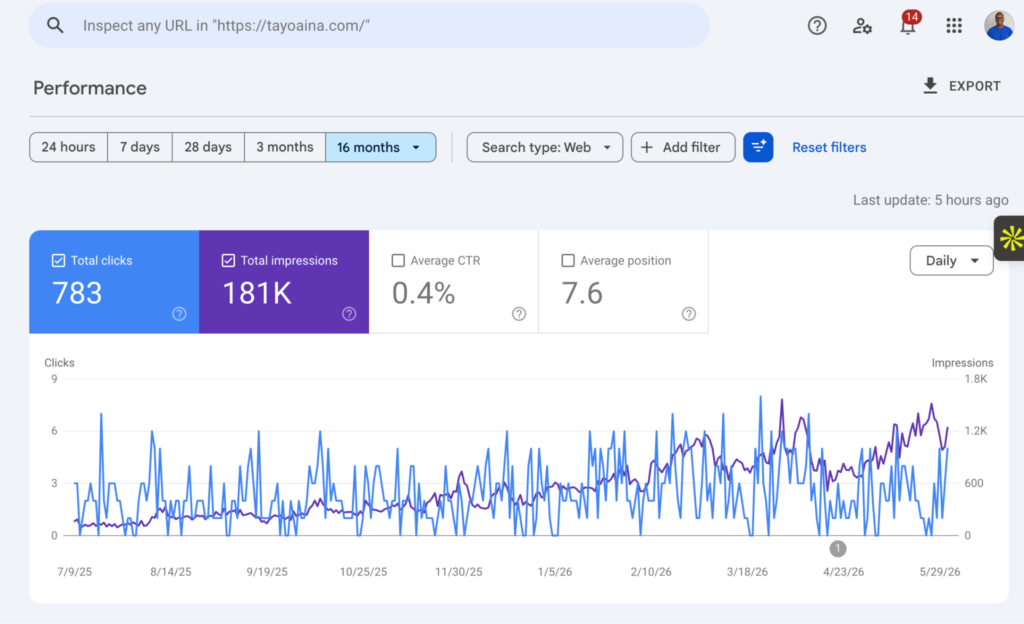
What are the Results?
Here’s the performance from the Google Search Console. A total of 783 clicks and almost 18K impressions were recorded
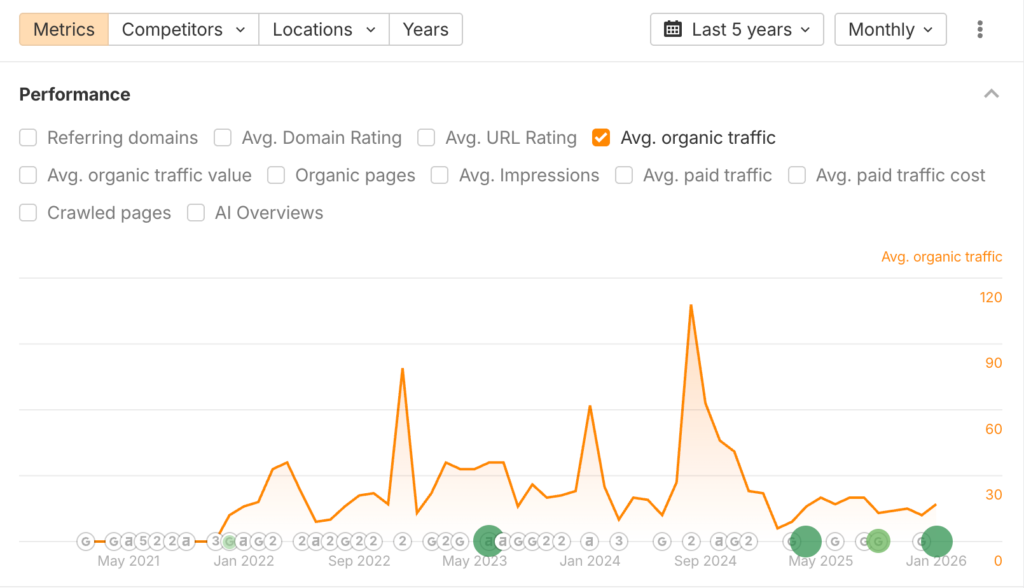
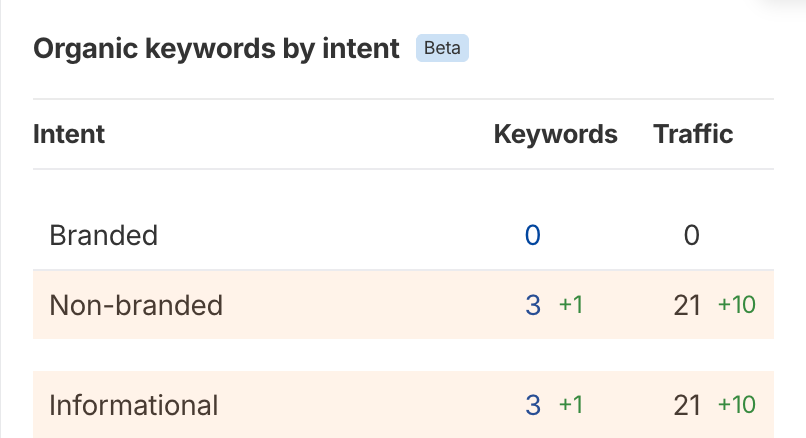
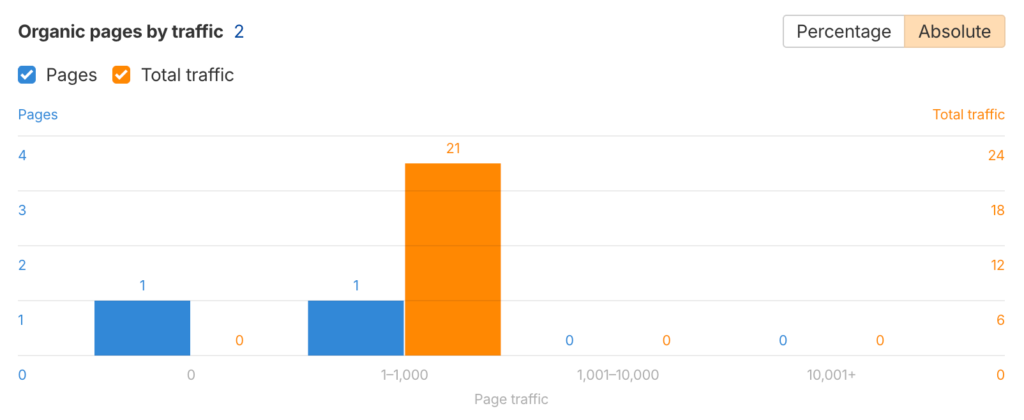
Organic traffic is 21
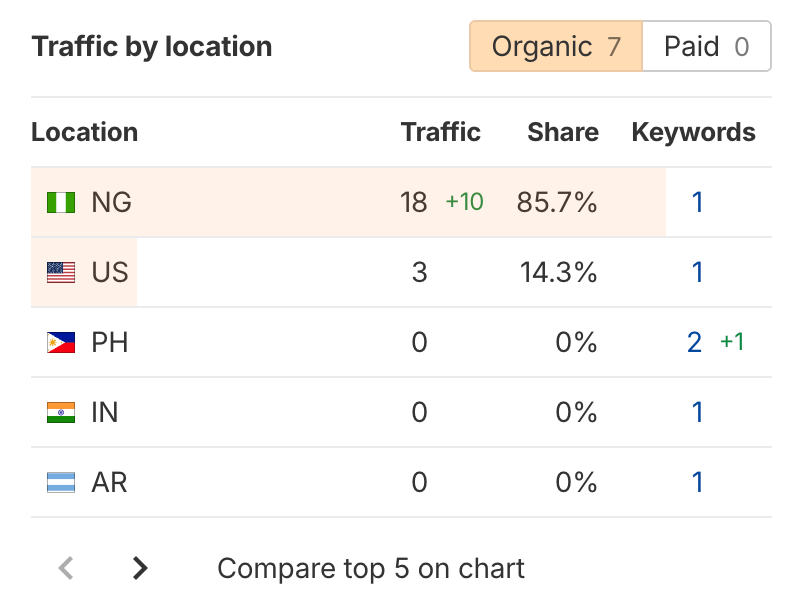
Traffic by location:
Organic keywords by intent
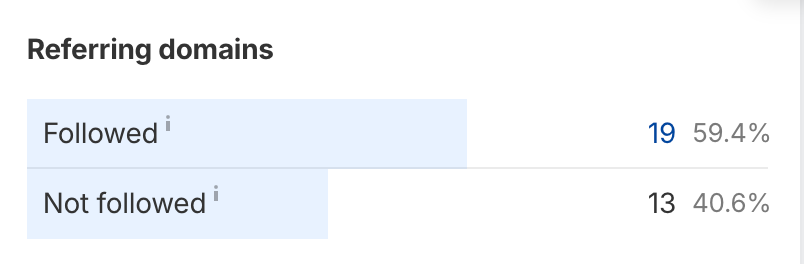
Referring domains
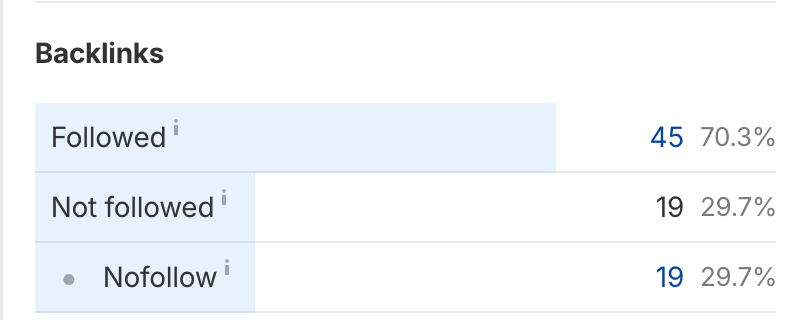
Backlinks
Organic pages by traffic
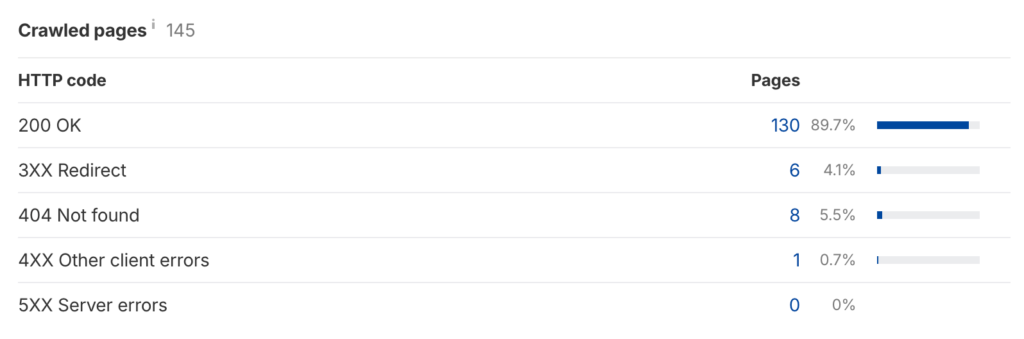
Crawled pages
What We Learned From This Project
You don’t need more content to grow.
You need a better system.
This project reinforced that email isn’t just a distribution channel. When used correctly, it’s a real-time research lab. Your audience tells you what they care about through opens, clicks, replies, and silence.
When you listen closely, content stops being guesswork.
SEO works best when it’s downstream of trust. Instead of publishing ideas we ‘thought’ would rank, we turned ideas that already resonated into long-term search assets. That’s why those posts competed with Reddit, Quora, and even AI Overviews.
Revenue followed because the selling never felt forced. The course was introduced naturally, inside content that had already earned attention.
The biggest lesson?
If you already have:
- An audience
- A product
- And real insight
You don’t need hacks, ads, or volume.
You need a feedback-driven content system that turns attention into learning, learning into assets, and assets into revenue.
If you’re a creator, educator, or brand sitting on a big email list and wondering how to turn it into both traffic and sales, this newsletter-first SEO approach is a proven place to start.